5 Signs of a Mini Stroke (TIA) in the Elderly You Should Never Ignore
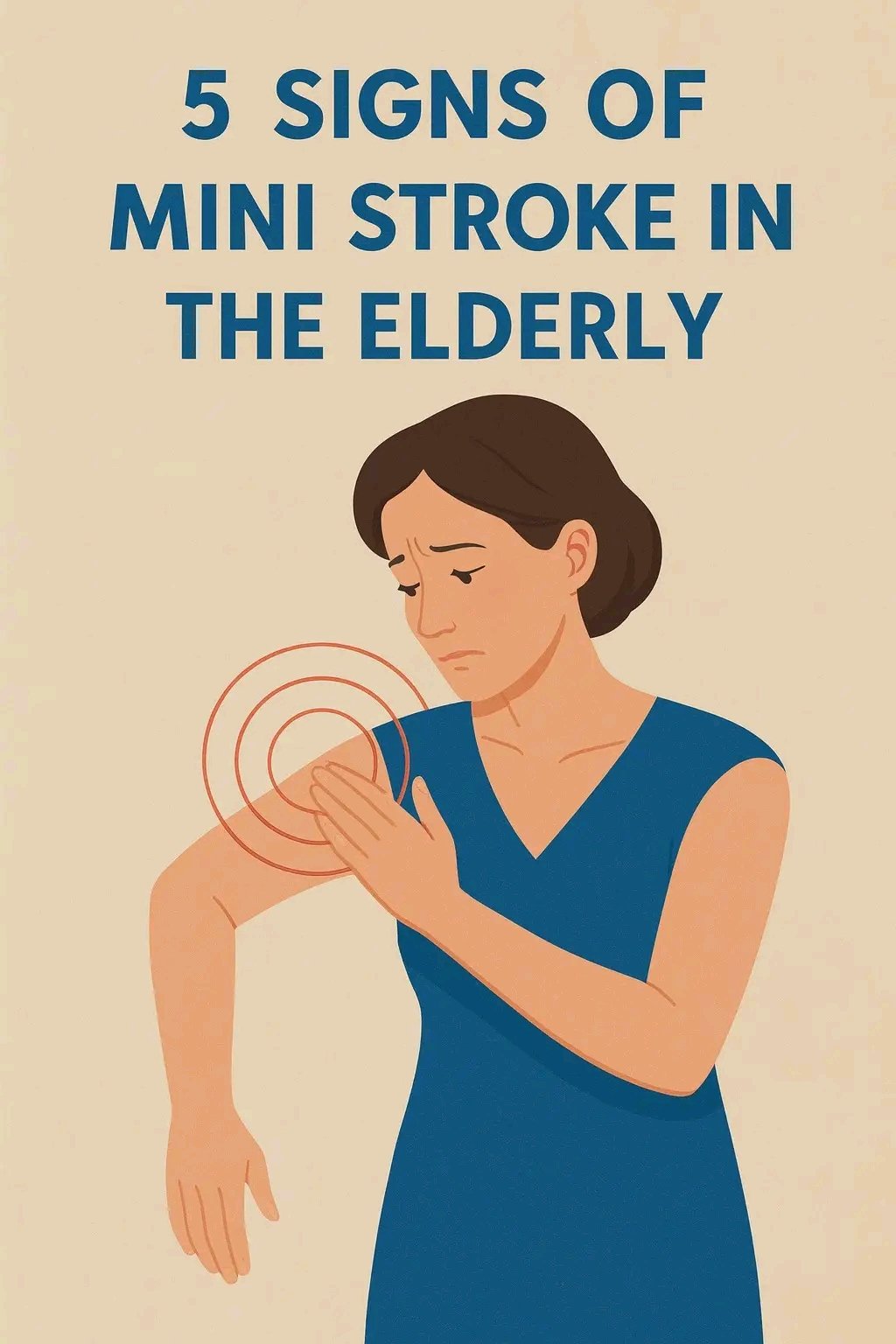
A mini stroke, medically known as a Transient Ischemic Attack (TIA), is a serious warning sign. It happens when blood flow to the brain is briefly blocked. Symptoms may last only minutes or hours and then disappear, but the danger is real—many full strokes are preceded by a TIA. In older adults, recognizing the signs early can save a life.
1. Sudden Weakness or Numbness on One Side of the Body
One of the most common signs is sudden weakness, numbness, or tingling in the face, arm, or leg—especially on one side. An elderly person may suddenly drop objects, have trouble lifting an arm, or notice facial drooping when smiling.
2. Trouble Speaking or Understanding Words
A mini stroke can affect speech. The person may slur words, speak unclearly, or struggle to find the right words. Sometimes they can’t understand simple sentences, even though they seem alert.
3. Sudden Vision Problems
Blurred vision, double vision, or temporary loss of vision in one or both eyes can be a sign of a TIA. Some elderly people describe it as a curtain coming down over one eye.

4. Dizziness or Loss of Balance
Sudden dizziness, difficulty walking, poor coordination, or unexplained falls can signal a mini stroke. This is often mistaken for normal aging, but when it appears suddenly, it should not be ignored.
5. Sudden Severe Headache With No Clear Cause
A sudden, intense headache that feels different from usual headaches—especially when combined with other symptoms—can be a warning sign of a temporary interruption in brain blood flow.
Why This Matters
TIA symptoms often go away on their own, which is why many people ignore them. This is dangerous. A mini stroke is a strong warning that a major stroke could happen soon—sometimes within days or weeks.

What to Do Immediately
If any of these signs appear, even if they disappear quickly, seek emergency medical care right away. Early treatment can significantly reduce the risk of a future, more severe stroke.
Remember
In the elderly, sudden changes are never “just aging.” Acting fast can protect the brain, independence, and life itself.

