The Hidden Cost of Staying Too Clean: How Over-Bathing Can Harm Your Skin and Health
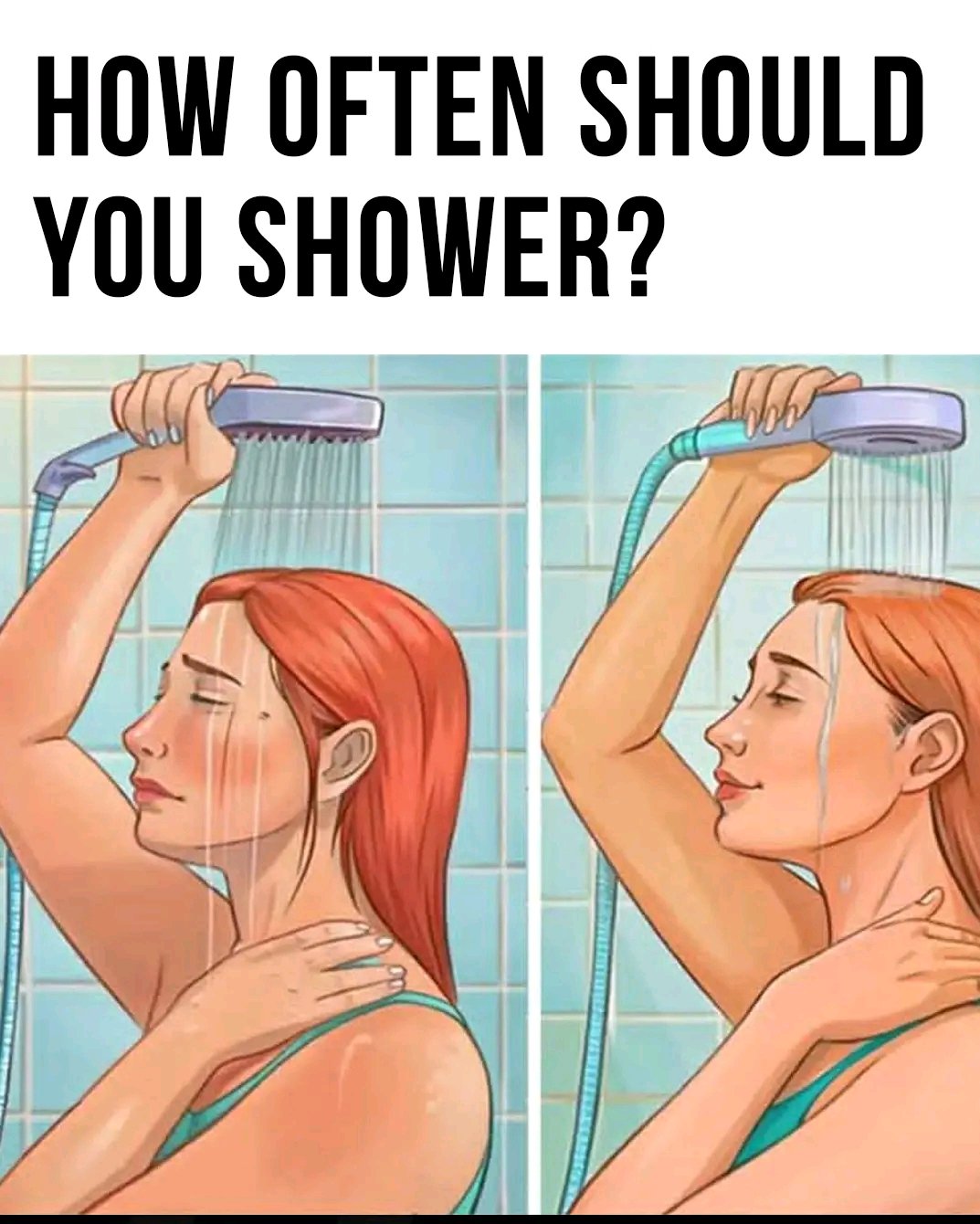
In today’s world, cleanliness is often linked to good health, confidence, and social acceptance. Daily showers, antibacterial soaps, scented body washes, and scrubs are marketed as essentials of modern life. But what many people don’t realize is that being too clean can quietly work against the body. Over-bathing, especially with harsh products, can disrupt natural processes that protect both your skin and overall health.
Your skin is not just a surface—it’s a living organ with its own ecosystem. A thin layer of natural oils and beneficial bacteria forms the skin’s protective barrier. This barrier helps retain moisture, regulate temperature, and block harmful microbes. Frequent bathing, particularly with hot water and strong soaps, strips away these oils and disrupts the skin’s microbiome. When that balance is disturbed, dryness, irritation, and sensitivity often follow.
One of the most common effects of over-bathing is chronically dry skin. When natural oils are removed too often, the skin struggles to replenish them. This can lead to flaking, tightness, itching, and even cracking. For people with eczema, psoriasis, or sensitive skin, excessive washing can worsen symptoms and trigger flare-ups.
Over-cleansing may also weaken the skin’s ability to defend itself. Ironically, removing too many “good” bacteria can make it easier for harmful microbes to take hold. This imbalance can increase the risk of infections, rashes, and inflammation. In children, especially, excessive cleanliness has been linked by researchers to a higher risk of allergies and asthma, as the immune system doesn’t get enough exposure to everyday microbes needed for proper development.
Hair and scalp health can also suffer. Daily shampooing can overstimulate oil production, leading to greasy roots, dry ends, dandruff, or scalp irritation. The body often responds to frequent stripping by producing even more oil, creating a cycle that feels impossible to break.
Mental and emotional health can be affected too. Constant worry about cleanliness may increase stress or fuel obsessive habits. Feeling uncomfortable missing a shower or repeatedly washing “just in case” can quietly interfere with daily life and well-being.
This doesn’t mean hygiene isn’t important—it absolutely is. The key is balance. Most dermatologists agree that full showers aren’t necessary every single day for everyone. Gentle cleansers, lukewarm water, shorter showers, and focusing on areas that truly need washing can make a significant difference. Moisturizing after bathing helps restore the skin barrier and prevent dryness.

Listening to your body is essential. Skin that feels calm, comfortable, and resilient is often a sign you’ve found the right routine. Clean doesn’t have to mean stripped, and healthy skin doesn’t come from excess—it comes from balance. By easing up on over-bathing, you may find your skin, hair, and overall comfort improve more than you expect.