If You Kiss a Deceased Loved One, You Should Understand What It Can Cause
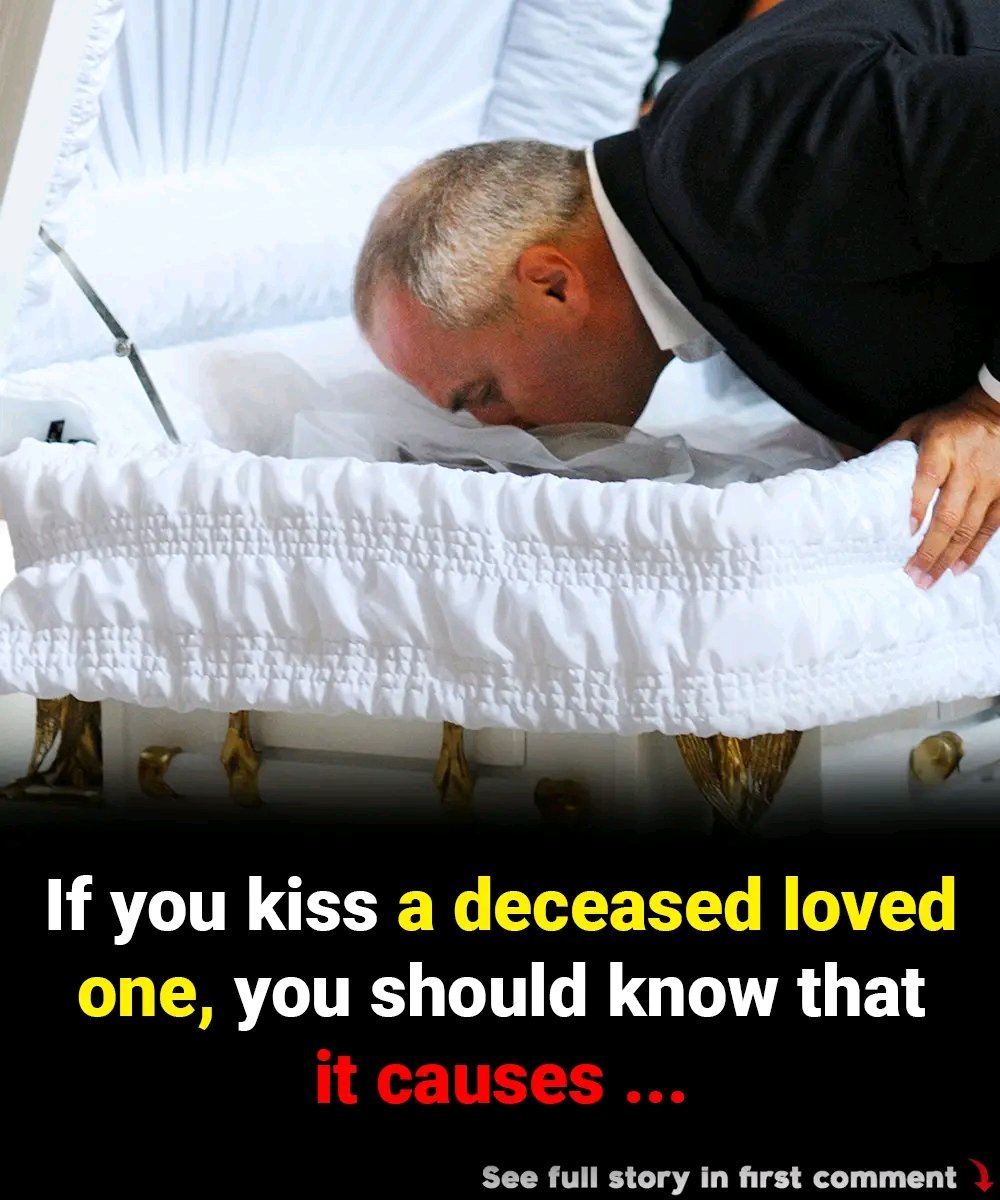
Saying goodbye to a loved one is one of the most emotional moments a person can experience. In many cultures, kissing the forehead, hand, or cheek of the deceased is a natural gesture of love, respect, and closure. While this act is deeply human, doctors and grief experts say it’s important to understand both the emotional and physical effects it may have.
From a health perspective, the human body begins to change soon after death. As circulation stops, the immune system no longer functions, and bacteria that were once controlled can multiply. Although the risk is generally low—especially if the death was recent and the person did not have an infectious disease—direct contact with the mouth, eyes, or open skin can expose you to bacteria. This risk is slightly higher if there are open wounds, bodily fluids, or if the body has not been properly prepared.
Medical professionals especially advise caution for: • People with weakened immune systems
• Pregnant women
• Children
• Anyone with cuts or broken skin
This doesn’t mean contact is always dangerous, but awareness matters. Funeral professionals usually take steps to reduce risks, which is why following their guidance is important.
Beyond physical considerations, there are also emotional and psychological effects. For many people, kissing a deceased loved one can bring comfort, closure, and a sense of peace. It can help the brain accept the reality of loss, which is an important part of the grieving process.
However, for others, the experience can be distressing. The coldness of the skin, the stillness, or the memory of the moment may later trigger anxiety, intrusive thoughts, or sleep disturbances. Grief experts explain that everyone processes loss differently—there is no “right” or “wrong” reaction.
Cultural and religious beliefs also play a big role. In some traditions, physical contact with the deceased is encouraged as a sign of honor. In others, it is discouraged for spiritual or health reasons. Respecting your own beliefs and boundaries is essential.
What professionals recommend
• If you choose to kiss or touch, keep it brief and avoid the mouth
• Wash your hands afterward
• Avoid contact if the deceased had a contagious illness
• Never feel pressured—your grief is personal
The most important thing to remember
Love is not defined by a single gesture. Whether you kiss a loved one goodbye or choose another way to honor them, what matters is the meaning in your heart, not the action itself.
Grief is deeply individual. Be gentle with yourself.