Wild Secrets Behind The Rocky Horror Picture Show: How Tim Curry, Susan Sarandon, and One Chaotic Set Created a Cult Legend
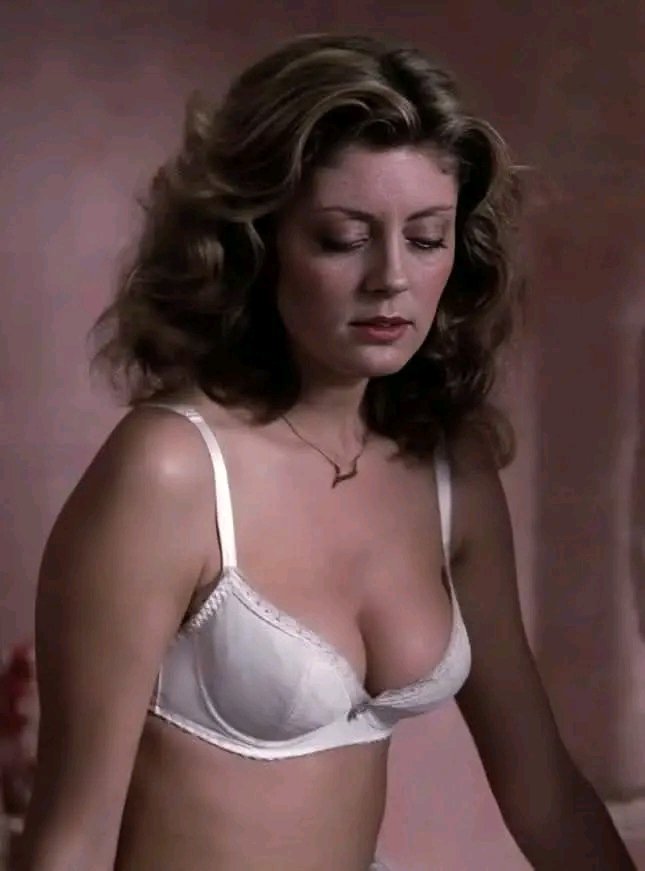
Few movies in cinema history have achieved the kind of immortality enjoyed by The Rocky Horror Picture Show. Nearly five decades after its release, it remains a midnight ritual, a celebration of rebellion, and a badge of identity for fans around the world. But behind the glitter, corsets, and call-and-response screenings lies a production so chaotic it nearly derailed the film entirely.
At the center of it all was Tim Curry’s unforgettable Dr. Frank-N-Furter. Curry didn’t merely play the role—he embodied it long before cameras rolled. After performing the character nearly 3,000 times on stage in London, he arrived on set with total confidence and zero hesitation. When creator Richard O’Brien described Frank-N-Furter as “a muscleman who could sing,” Curry reportedly quipped, “Why does he need to sing?” That fearless instinct shaped one of the most iconic performances in film history. Ironically, Curry later admitted he gained weight on purpose, hoping to avoid being permanently typecast—or chased—by overly enthusiastic fans.
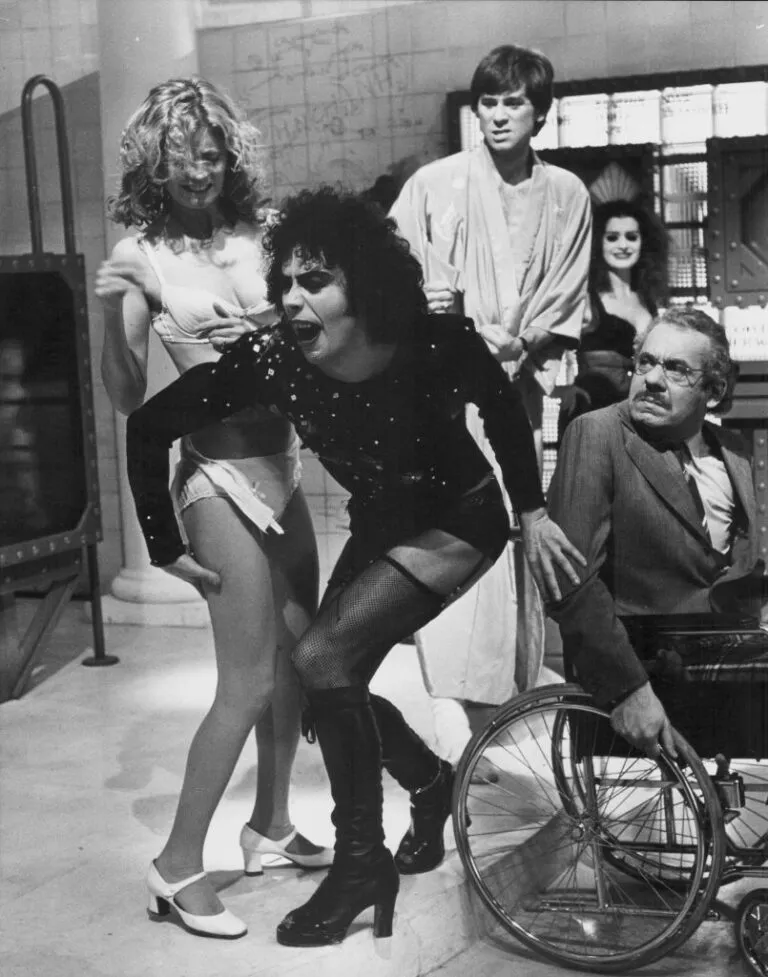
While the film radiates campy joy, the actual shoot was grueling. Production was rushed, budgets were tight, and the English weather was unforgiving. The castle set leaked so badly that actors spent hours soaked in cold water. Tim Curry’s makeup took four hours every single day, eventually prompting him to learn how to apply it himself. A “warm room” meant to protect the cast from the cold famously caught fire instead.
Susan Sarandon endured some of the harshest conditions. Wearing minimal clothing in freezing temperatures, she pushed through scenes that eventually led to pneumonia. Still, she refused to stop filming, delivering a performance that gave no hint of the physical toll behind the scenes.
The film’s chaos also produced legendary accidents that became part of its charm. Meat Loaf shocked everyone by nailing “Hot Patootie – Bless My Soul” in a single take. Dr. Scott’s dramatic wall crash wasn’t scripted—the crew simply forgot to build a door. During the dinner scene, Barry Bostwick accidentally slammed his hand onto Sarandon’s, her pain completely real. Continuity errors—changing costumes, dry newspapers in rain—only added to the movie’s surreal energy.
Despite early box office failure, Rocky Horror found new life in midnight screenings, transforming into a global cultural phenomenon. Tim Curry later revealed that Princess Diana was a devoted fan, once telling him the film had “quite completed my education.” Yet even with its enduring success, the cast never received DVD royalties, a lingering disappointment that kept some reluctant to revisit the film publicly.
In the end, The Rocky Horror Picture Show became legendary not despite its chaos—but because of it. What began as an uncomfortable, messy production evolved into a timeless celebration of freedom, identity, and unapologetic self-expression. Sometimes, perfection is born from disorder—and no film proves that better than Rocky Horror.