Alison Botha: The Woman Who Survived the Unthinkable and Refused to Be Defined by It
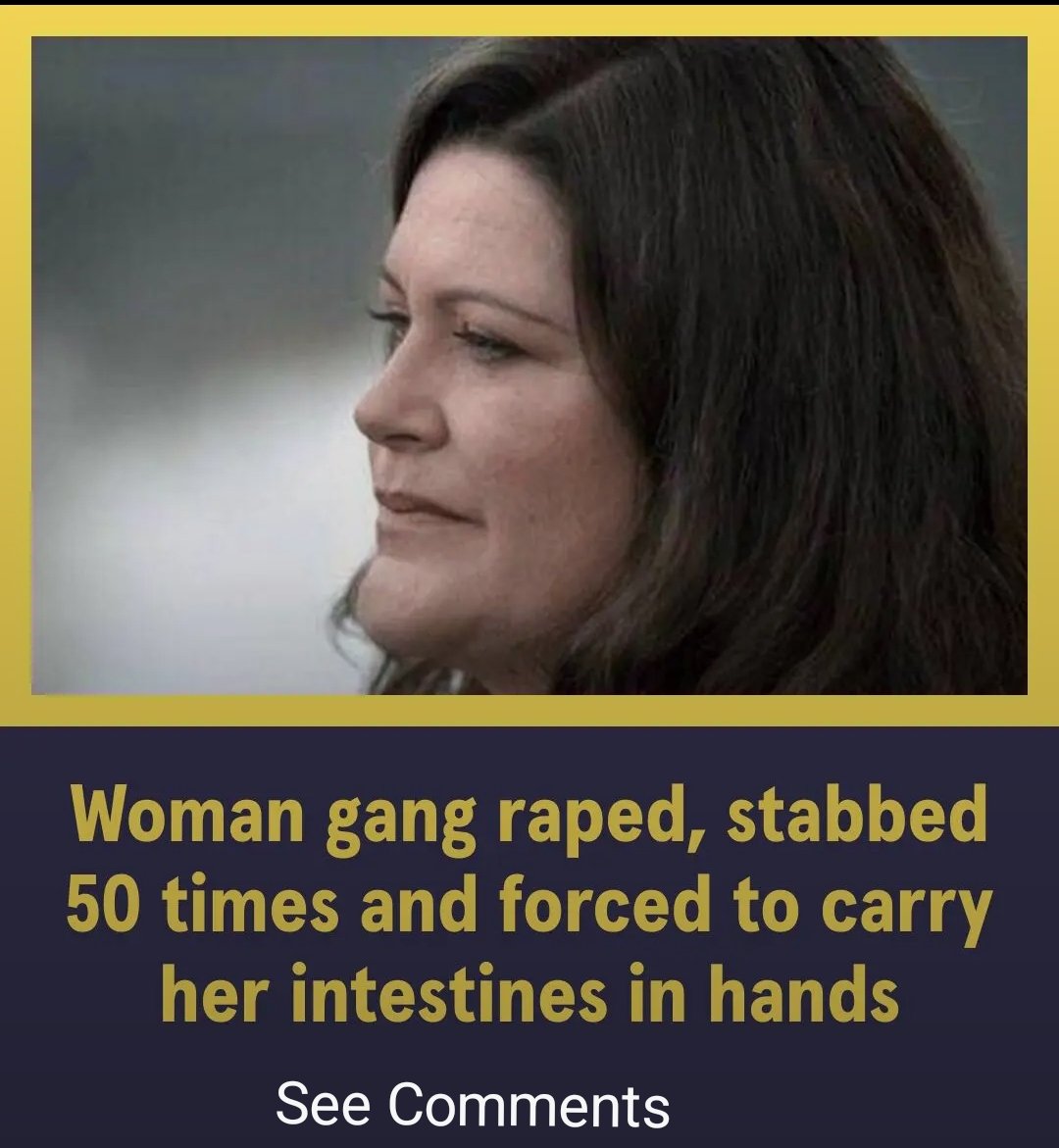
In 1994, South Africa was shaken by a crime so brutal it left the nation stunned—and yet, from that darkness emerged one of the most powerful stories of human survival ever recorded. Alison Botha, a 27-year-old insurance broker from Port Elizabeth, was attacked by two men in an act of extreme violence that was intended to end her life. Against all odds, she survived—and went on to become a global symbol of strength, courage, and the will to live.
Alison was abducted after a night out with friends and subjected to a prolonged assault. Believing they had killed her, her attackers left her in a remote area. Critically injured and alone, Alison made a decision that would save her life: she refused to surrender to shock or fear. Drawing on an extraordinary level of mental clarity, she assessed her condition, kept herself conscious, and began the slow, agonizing process of seeking help.
Her determination paid off. A passing motorist spotted her, and emergency services rushed her to the hospital, where doctors later admitted they could not explain how she had survived her injuries. Her case would go on to be described in medical journals as nearly impossible.
But Alison’s survival did not end with physical recovery. She faced months of surgeries, therapy, and emotional healing. Instead of retreating into silence, she chose to speak. Her testimony was instrumental in securing life sentences for both attackers, ensuring they would never harm another woman.
Rather than allowing trauma to define her, Alison transformed it into purpose. She became a motivational speaker, sharing her story around the world—not to shock, but to inspire. Her message was never about the violence itself, but about reclaiming power, refusing victimhood, and understanding the strength of the human spirit.
Alison often emphasizes that survival is not just physical—it is psychological. She speaks openly about fear, forgiveness, and the long road toward healing, reminding audiences that resilience is not the absence of pain, but the decision to continue despite it.
Her story later inspired books, documentaries, and educational programs focused on gender-based violence and survivor empowerment. Today, Alison Botha is recognized not for what was done to her, but for what she overcame.
In a world where stories of violence against women too often end in silence or tragedy, Alison’s life stands as a rare and vital reminder: survival is possible, justice matters, and strength can rise even from the most unimaginable suffering.