If Your Legs Cramp at Night You Need to Know This Immediately
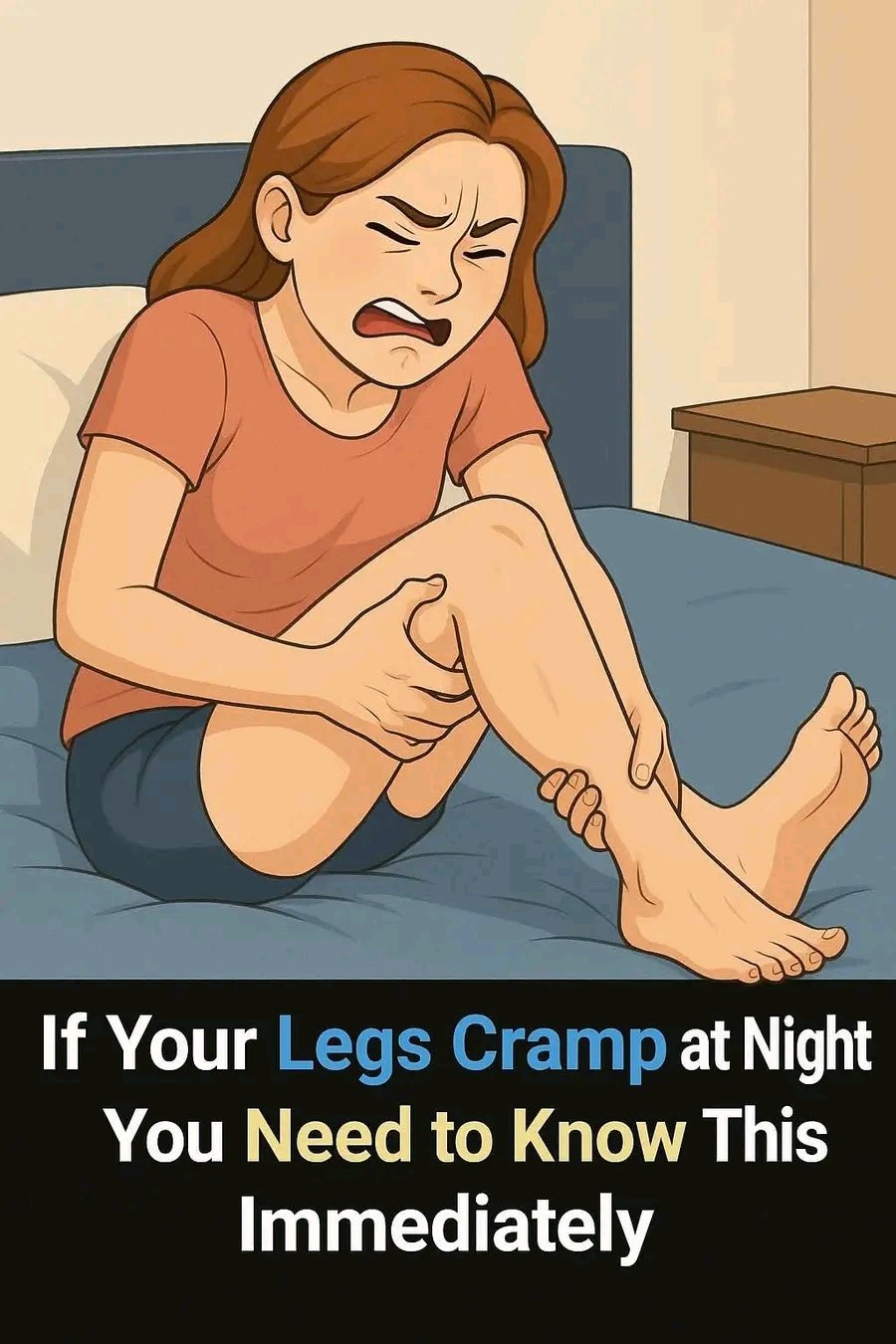
Waking up suddenly with sharp, painful leg cramps in the middle of the night is more than just uncomfortable—it’s your body asking for attention. Nighttime leg cramps are common, but frequent episodes should never be ignored. Understanding what causes them can help you stop the pain and prevent future attacks.
What Night Leg Cramps Really Mean
Night leg cramps are sudden, involuntary muscle contractions, usually affecting the calves, feet, or thighs. They can last from a few seconds to several minutes and often leave soreness behind. While they may seem harmless, recurring cramps can signal underlying issues that need correction.
Low Mineral Levels Are a Major Trigger
One of the most common causes is a deficiency in key minerals such as magnesium, potassium, and calcium. These minerals are essential for proper muscle relaxation and nerve signaling. When levels drop—due to poor diet, dehydration, or excessive sweating—muscles can tighten uncontrollably during rest.
Dehydration Can Strike at Night
Not drinking enough fluids during the day can lead to electrolyte imbalance, making cramps more likely at night. Even mild dehydration can disrupt muscle function while you sleep.
Poor Blood Circulation
Reduced blood flow to the legs, especially in people who sit or stand for long periods, can contribute to nighttime cramps. Circulation slows during sleep, which may trigger cramping in already strained muscles.
Overuse or Muscle Fatigue
Excessive walking, standing, or intense exercise—especially without stretching—can overload leg muscles. Cramps often appear at night when the muscles finally relax.
Certain Medications Can Play a Role
Some medications, including diuretics, blood pressure drugs, and cholesterol-lowering medicines, may increase the risk of leg cramps by altering fluid and mineral balance.
Health Conditions You Shouldn’t Ignore
Frequent leg cramps may be associated with conditions such as diabetes, nerve disorders, kidney problems, or thyroid imbalance. If cramps are persistent, severe, or accompanied by swelling or numbness, medical evaluation is important.
What You Can Do Right Now
Gentle stretching before bed can significantly reduce cramps. Staying hydrated throughout the day, eating mineral-rich foods like bananas, leafy greens, nuts, and seeds, and maintaining regular physical activity all help. Massaging the affected muscles and applying warmth can bring quick relief during a cramp.
When to See a Doctor
If leg cramps happen often, disrupt your sleep regularly, or worsen over time, don’t ignore them. A healthcare professional can help identify deficiencies or underlying conditions and guide proper treatment.
Night leg cramps are not something you should “just live with.” Listening to your body now can save you from bigger problems later—and help you enjoy peaceful, pain-free sleep again.

