End-of-Life Nurse Says One Common Movement Often Appears When Death Is Near
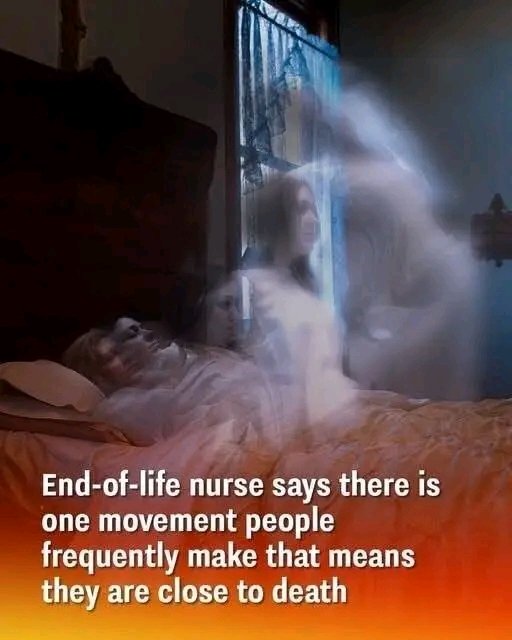
For many families, the final days or hours of a loved one’s life are filled with uncertainty. People search for signs, meaning, and reassurance that what they are witnessing is normal. According to experienced end-of-life nurses, there is one movement that appears again and again when a person is approaching death — and while it can be unsettling, it is usually a natural part of the body’s final transition.
The movement is often described as reaching or picking at the air, sheets, or unseen objects. Nurses sometimes call this “terminal restlessness” or “end-of-life reaching.” A patient may lift their hands repeatedly, grasp at clothing, or seem to interact with things that aren’t there. To family members, it can look confusing or even distressing, especially if the person has been calm before.
According to hospice professionals, this behavior is not usually a sign of pain. Instead, it happens as the brain and body begin to shut down. Changes in oxygen levels, reduced blood flow to the brain, and chemical shifts can alter perception and awareness. The person may drift between consciousness and sleep, experiencing sensations or visions that feel very real to them.
Many nurses note that this movement often appears within hours or days of death, especially when accompanied by other signs. These may include long pauses between breaths, cool hands and feet, changes in skin color, minimal response to voices, or eyes that remain partially open. When these signs occur together, caregivers recognize that the body is preparing to let go.
Importantly, nurses emphasize that this stage is usually not frightening for the patient, even if it looks unusual to others. Families often worry that their loved one is confused or suffering, but in many cases, the person is not fully aware of their surroundings. Gentle reassurance, a calm voice, and light touch can be comforting, even if there is no visible response.
Hospice nurses also encourage families to resist the urge to stop the movement unless it appears aggressive or unsafe. Holding the person’s hand softly, keeping the room quiet, and maintaining a peaceful environment often helps the body settle naturally. Medication may be used if restlessness becomes intense, but many times, presence alone is enough.
Perhaps the most meaningful insight nurses share is this: the body knows how to die, just as it knows how to be born. These final movements are not mistakes or malfunctions — they are part of a process humans have gone through for centuries.

Understanding what is happening doesn’t remove the sadness of goodbye, but it can replace fear with compassion. For families, knowing that this movement is common — and usually gentle — can bring a small measure of peace during one of life’s hardest moments.