It’s a Sign That Something’s Wrong: What You Need to Know About Edema
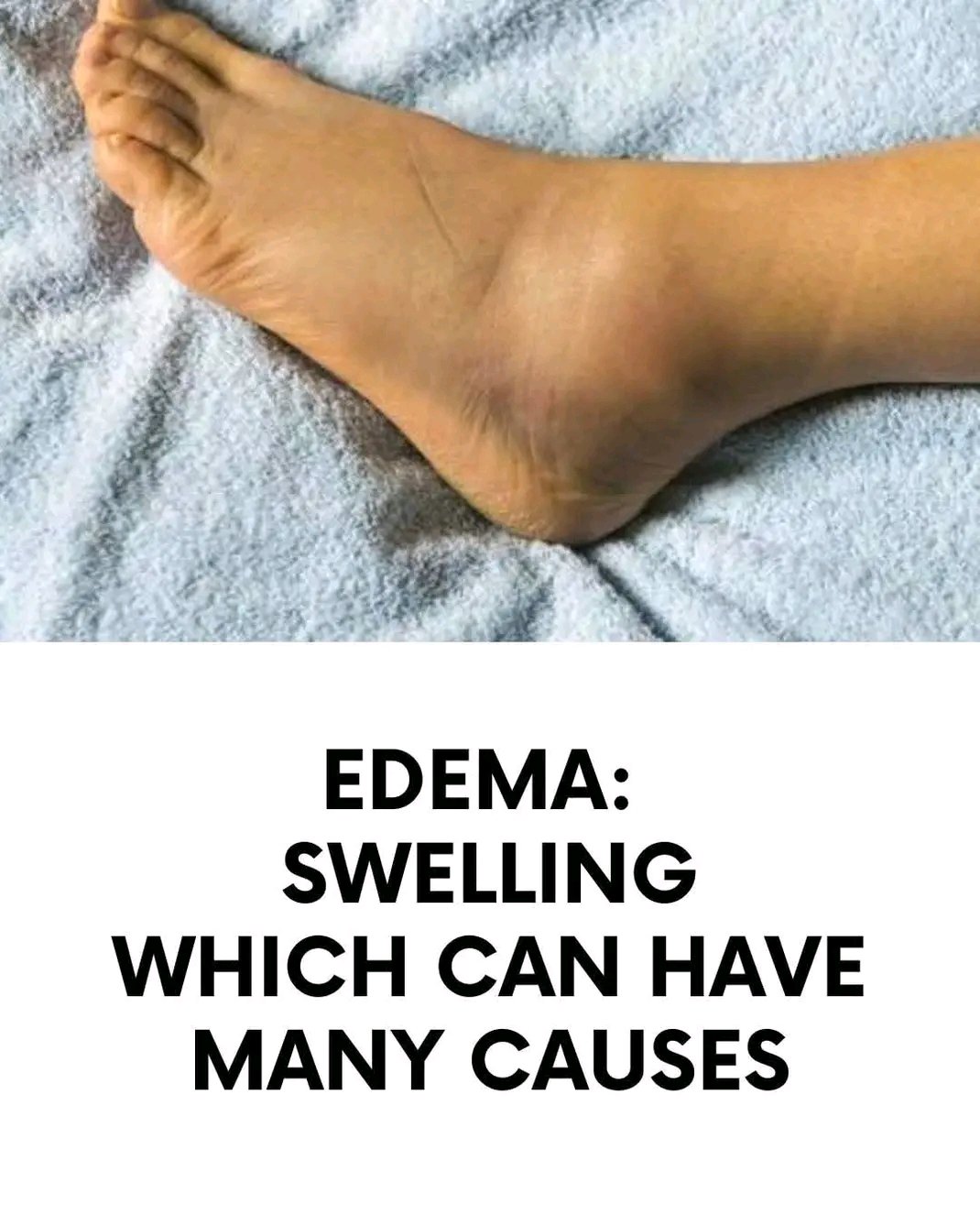
Swelling that appears out of nowhere is never something to ignore. Many people brush it off as fatigue, heat, or standing too long, but persistent swelling can be your body’s quiet way of asking for help. This condition is called edema, and understanding it early can prevent serious health problems later.
What Edema Really Is
Edema happens when excess fluid becomes trapped in your body’s tissues. It most commonly shows up in the feet, ankles, legs, hands, or face. You may notice your skin looking puffy or stretched, shoes feeling tighter, or a dent remaining when you press your finger into the swollen area. While mild edema can be temporary, ongoing or sudden swelling is often a warning sign.
Common Causes You Shouldn’t Ignore
Edema is not a disease by itself—it’s a symptom. One of the most common causes is poor circulation, especially from sitting or standing too long. However, edema can also signal deeper issues such as heart problems, kidney disease, liver dysfunction, or chronic venous insufficiency. Hormonal changes, pregnancy, high salt intake, and certain medications like blood pressure drugs or steroids can also trigger swelling.
When Edema Becomes Dangerous
Swelling becomes concerning when it appears suddenly, affects only one side of the body, or is accompanied by pain, redness, shortness of breath, or chest discomfort. These symptoms may point to a blood clot, heart failure, or infection—conditions that require immediate medical attention. Facial or abdominal swelling can also indicate serious organ-related issues.
Everyday Habits That Can Make It Worse
Excess salt in the diet is a major contributor to fluid retention. Lack of movement slows blood flow, allowing fluid to pool in the lower limbs. Dehydration may sound counterintuitive, but it actually causes the body to hold onto water. Wearing tight clothing and ignoring early swelling can also worsen the condition over time.
Simple Ways to Support Your Body
Mild edema may improve with lifestyle changes such as elevating your legs, staying hydrated, reducing salt intake, and moving regularly throughout the day. Gentle exercise helps circulation, and compression socks can be useful for people who stand or sit for long hours. These steps help manage symptoms but do not replace medical evaluation if swelling persists.
When to See a Doctor
If edema lasts more than a few days, keeps returning, or comes with other symptoms like fatigue, shortness of breath, or rapid weight gain, it’s time to seek medical advice. Early diagnosis can uncover hidden conditions before they become serious.
Swelling is not just a cosmetic issue. It’s your body sending a message. Listening to it early can make all the difference.

