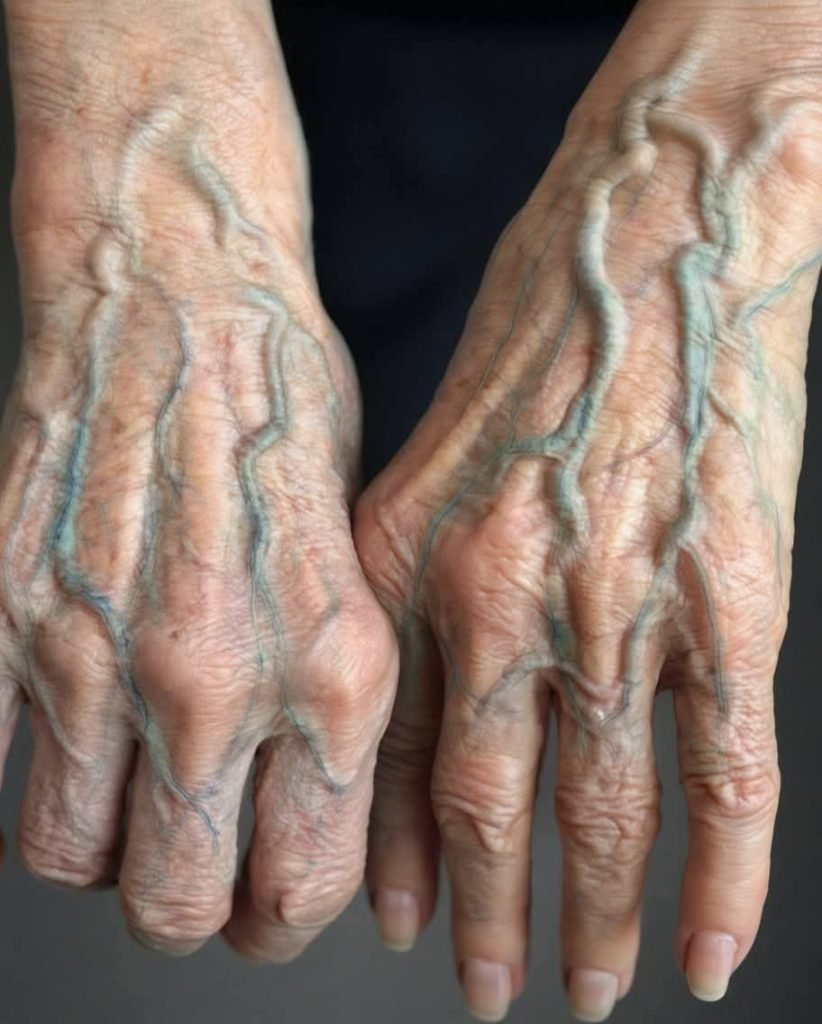
These Are Clear Signs That He Has Swollen Legs — What They May Be Telling You
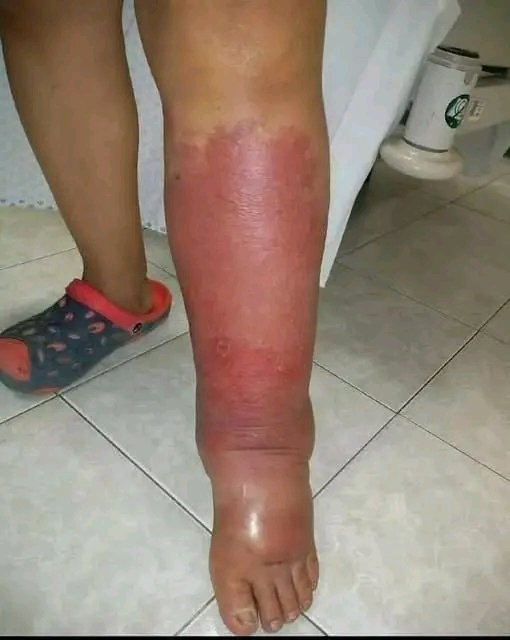
Swollen legs are more than just an uncomfortable nuisance. In many cases, they are the body’s way of signaling that something deeper may be going on. While temporary swelling can happen after long hours of standing or sitting, persistent or worsening swelling should never be ignored—especially in men, where it’s often brushed off until symptoms become severe.
One of the most noticeable signs is visible puffiness in the feet, ankles, calves, or even thighs. Shoes may suddenly feel tight, socks can leave deep indentations in the skin, and the legs may appear shiny or stretched. Another common indicator is pitting edema—when you press a finger into the swollen area and the indentation stays for several seconds instead of bouncing back immediately.
Heaviness and tightness in the legs are also warning signs. Many people describe it as a feeling that the legs are “full,” stiff, or harder to move, especially toward the end of the day. Swelling that worsens in the evening and improves overnight can suggest circulation issues. If the swelling is accompanied by skin color changes, such as redness, darkening, or a bluish tone, it may point to problems with blood flow or oxygen delivery.
Pain isn’t always present, but when it is—especially if it’s sudden, one-sided, or associated with warmth—it could indicate a more serious condition such as a blood clot. Swelling paired with shortness of breath, chest pain, or rapid heartbeat is a medical emergency and requires immediate attention.
There are many possible causes behind swollen legs. Poor circulation, heart conditions, kidney or liver disease, and chronic venous insufficiency are common culprits. Lifestyle factors also play a role: long periods of inactivity, excess salt intake, obesity, and dehydration can all contribute. Certain medications, including blood pressure drugs and anti-inflammatories, may also cause fluid retention.
Ignoring swollen legs can lead to complications such as skin infections, ulcers, or worsening cardiovascular strain. Simple steps like elevating the legs, staying hydrated, reducing sodium, and moving regularly can help mild cases. However, persistent, painful, or unexplained swelling should always be evaluated by a healthcare professional.
Swollen legs are not just a cosmetic issue—they’re a message from the body. Paying attention early can make the difference between a manageable condition and a serious health problem.