I Found the Smallpox Vaccine Scar What It Means and Why It Matters
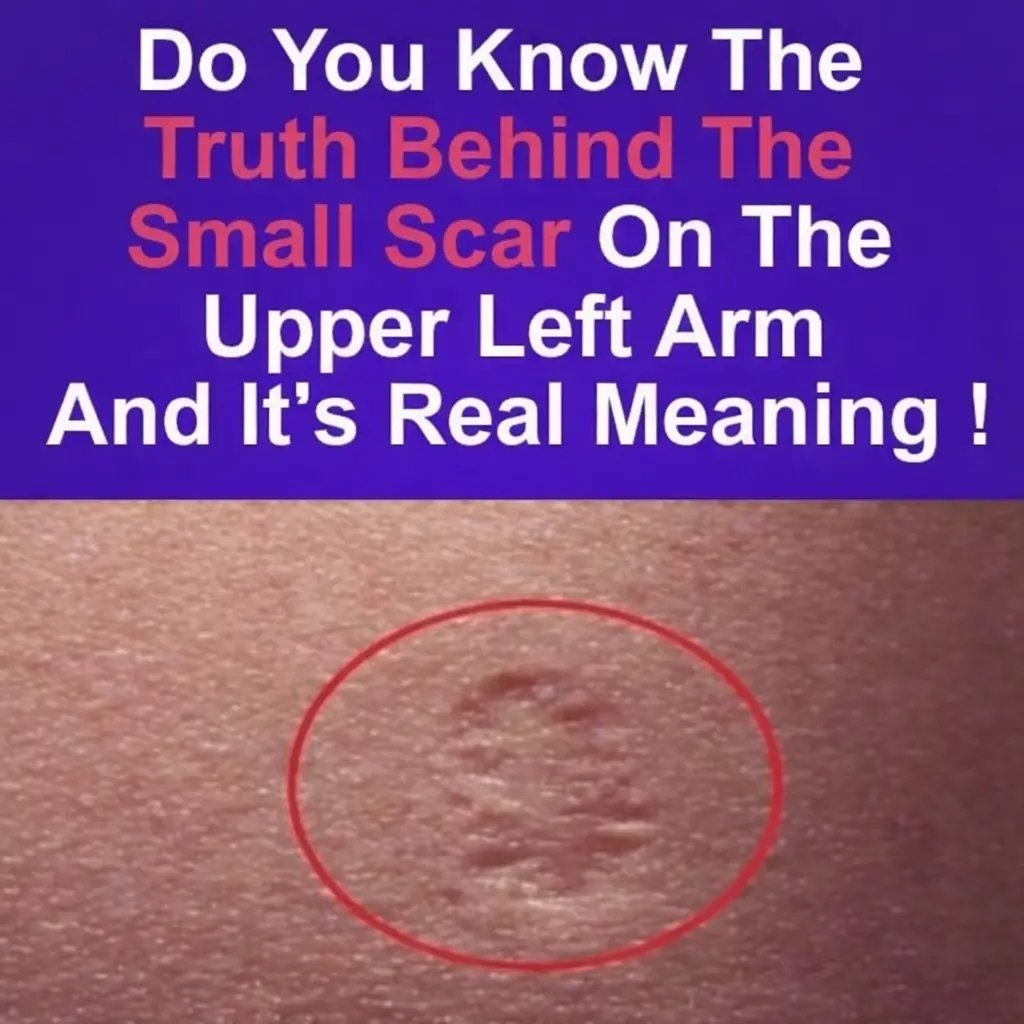
Finding a small, round scar on your upper arm can feel like uncovering a forgotten piece of history written directly on your skin. For many people, that mark is the smallpox vaccine scar—a quiet reminder of one of humanity’s greatest public-health victories and a disease so dangerous that it once shaped the fate of entire civilizations.
The smallpox vaccine scar is usually circular, slightly indented or raised, and often about the size of a pencil eraser. Unlike modern vaccines, which are delivered with a single needle and leave no trace, the smallpox vaccine was administered using a bifurcated needle that punctured the skin multiple times. This method intentionally caused a localized infection so the immune system could build protection. As the site healed, it formed a blister, then a scab, and finally a permanent scar.
What that scar means is powerful. If you have it, you were vaccinated against smallpox, a disease that once killed up to 30% of those infected and left many survivors blind or disfigured. Smallpox was officially declared eradicated in 1980, making it the first—and so far only—human disease eliminated worldwide through vaccination. Because of that success, routine smallpox vaccination stopped in the late 1970s in most countries. This means that people born after that period usually do not have the scar at all.
The presence of the scar also helps roughly estimate age. In the United States and many other countries, routine smallpox vaccination ended around 1972. If someone has the scar, they were likely born before that cutoff or were vaccinated due to military service or international travel. In fact, many veterans have the scar, as the vaccine remained mandatory for certain armed forces long after civilian programs ended.
Beyond personal history, the scar matters because it represents collective protection. Smallpox did not disappear because it became less dangerous—it vanished because millions of people accepted vaccination, even when it caused discomfort and visible marks. That tiny scar symbolizes trust in science, global cooperation, and the idea that protecting one person helps protect everyone.
There’s also renewed interest in the smallpox scar today because of concerns about related viruses, such as monkeypox (mpox). Studies suggest that people who received the smallpox vaccine decades ago may retain partial immunity, which could reduce the severity of related infections. In this way, the scar is not just a relic of the past, but a marker of lingering protection.
Ultimately, the smallpox vaccine scar is more than skin-deep. It’s a reminder of a time when a single disease terrified the world—and of how human knowledge, persistence, and cooperation overcame it. In an age where vaccines are often debated, that small, quiet mark stands as proof that prevention can change the course of history.