You Should Never Plant Peppers Without This! We’ve Been Doing It for 50 Years…
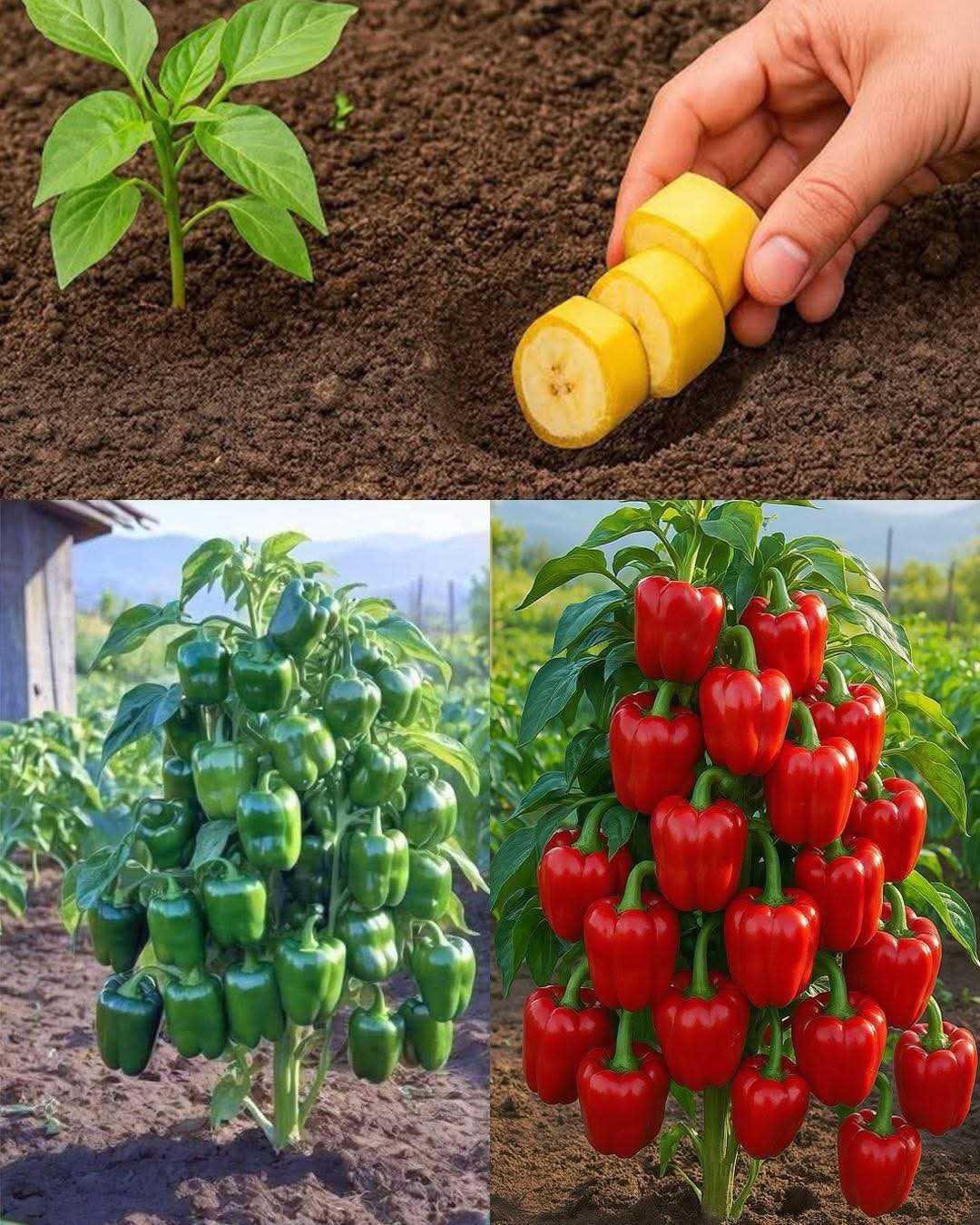
If you’ve ever planted peppers and wondered why the plants looked weak, produced few fruits, or dropped flowers early, you’re not alone. Many gardeners make the same mistake year after year—skipping one simple step that old-time growers have relied on for decades. Those who know this trick swear by it, and once you try it, you’ll likely never plant peppers the same way again.
Pepper plants are heavy feeders, but they’re also sensitive. They need strong roots, balanced nutrients, and healthy soil right from the start. The secret that experienced gardeners have used for generations is feeding the soil at planting time, not the plant later.
The most trusted old-school method is adding organic calcium and natural nutrients directly into the planting hole. For 50 years, many gardeners have dropped crushed eggshells, compost, or well-rotted manure into the hole before placing the pepper seedling. This provides slow-release nourishment exactly where roots need it most.
Calcium is especially important for peppers. Without enough of it, plants may look healthy but produce peppers with black, rotting ends—a problem known as blossom end rot. Once it appears, it’s hard to fix. Preventing it at planting time makes all the difference.
Another long-standing trick is planting peppers deeper than most people expect. Unlike tomatoes, peppers aren’t usually buried deeply, but placing them slightly deeper than their original pot encourages stronger root systems and better stability, especially in windy areas.
Experienced growers also avoid planting peppers in cold soil. Waiting until the soil is warm helps roots establish faster and prevents shock. Cold soil can stall growth for weeks, even if the weather looks fine above ground.
Watering properly after planting is another key habit passed down through generations. Instead of frequent shallow watering, deep watering encourages roots to grow downward, making plants more resilient during hot spells.
Finally, spacing matters more than people think. Crowded pepper plants compete for nutrients and air, increasing disease risk. Giving each plant enough space leads to healthier growth and bigger harvests.
The reason this method has lasted 50 years isn’t luck—it works. Healthy soil, calcium at planting, proper depth, warm ground, and smart watering create pepper plants that grow stronger, resist disease, and produce more fruit.
Sometimes the best gardening secrets aren’t new at all. They’re the ones that stood the test of time.

