If You Have Purple Veins on Your Legs, It Means Your Body Is Sending You a Warning
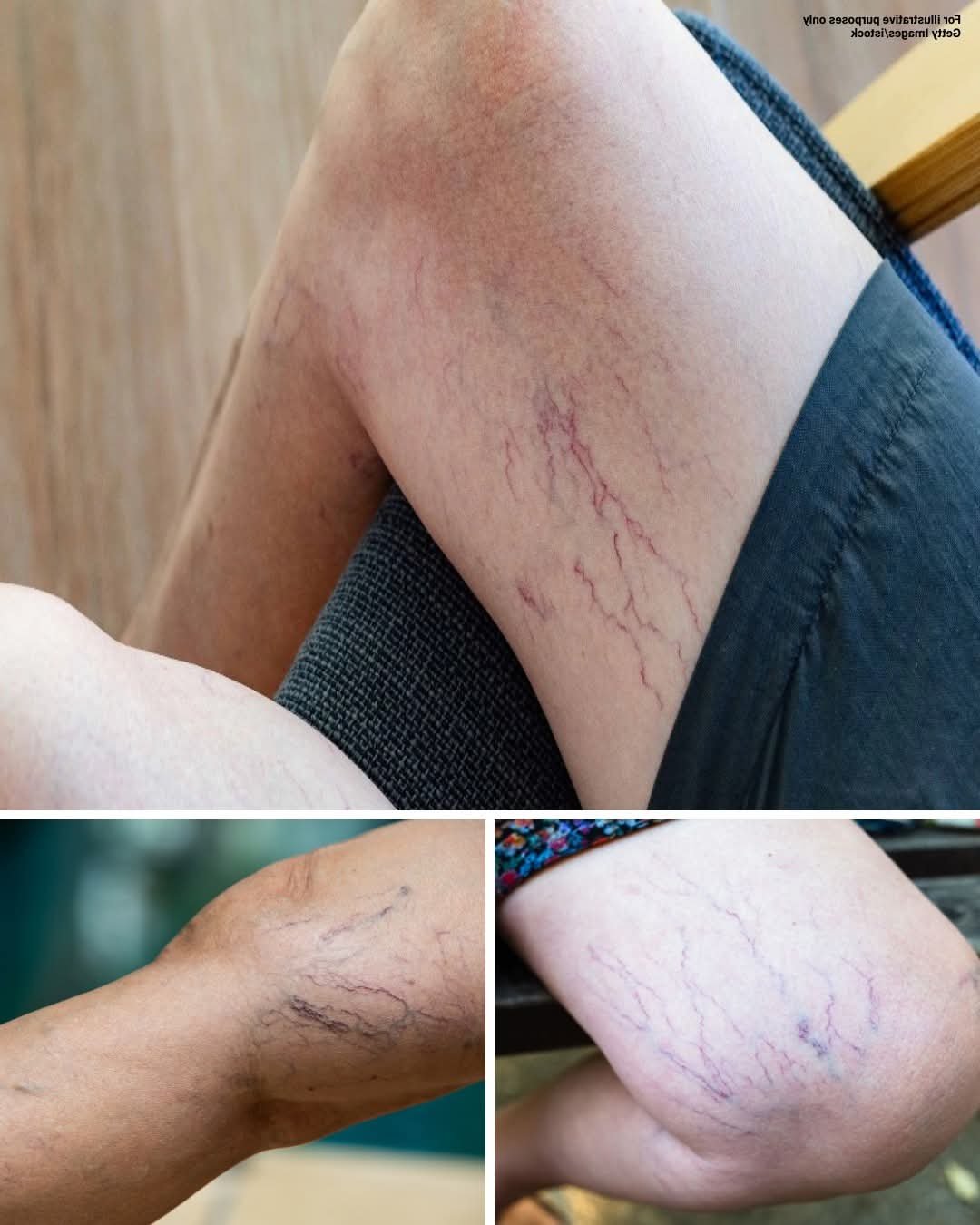
You may have noticed thin purple, blue, or reddish veins appearing on your legs and wondered if it’s just a cosmetic issue. Many people brush them off as a sign of aging or standing too long, but in reality, visible purple veins can be your body’s way of signaling that something deeper is going on beneath the surface.
Your circulation may not be working efficiently
Purple veins on the legs are often linked to weakened or damaged valves inside the veins. These valves are supposed to keep blood flowing upward toward the heart. When they don’t work properly, blood begins to pool in the legs, causing veins to stretch and become visible. This condition is commonly associated with chronic venous insufficiency.
You may be spending too much time sitting or standing
Long hours of sitting or standing without movement slow down blood flow in the lower body. Over time, this pressure can cause veins to enlarge and become more noticeable. Jobs that require standing all day or desk work with little movement are major contributors.
Hormonal changes could be playing a role
Hormones strongly affect vein health. Pregnancy, menopause, birth control pills, and hormonal imbalances can weaken vein walls, making purple veins more visible. This is one reason women experience spider and varicose veins more often than men.
Your legs may be under constant pressure
Excess body weight places additional strain on leg veins, making it harder for blood to travel upward. Over time, this pressure contributes to vein enlargement and discoloration. Even modest weight gain can worsen existing vein issues.
It may be an early sign of vein disease
While small purple veins (often called spider veins) are usually harmless, they can sometimes signal the early stages of venous disease. If they are accompanied by symptoms like leg heaviness, aching, burning, swelling, or night cramps, it’s a sign your veins may need medical attention.
Your lifestyle habits matter more than you think
Smoking, dehydration, poor diet, and lack of physical activity weaken blood vessels and reduce circulation. Diets low in fiber and high in salt can also worsen vein problems by increasing pressure in the lower body.
What you can do starting today
Simple changes can make a big difference. Regular walking improves blood flow, elevating your legs reduces pressure, staying hydrated supports healthy circulation, and wearing compression stockings can help prevent blood pooling. Maintaining a healthy weight and avoiding long periods of inactivity are key.
When not to ignore it
If purple veins suddenly worsen, become painful, hard, warm, or are accompanied by swelling or skin changes, you should seek medical advice. In rare cases, vein problems can lead to serious complications.
Purple veins aren’t just a cosmetic concern—they’re a message. Listening to your legs now can help protect your circulation, comfort, and long-term health.

