8 of the Best Anti-Cancer Foods — It’s Time to Start Adding Them to Your Diet
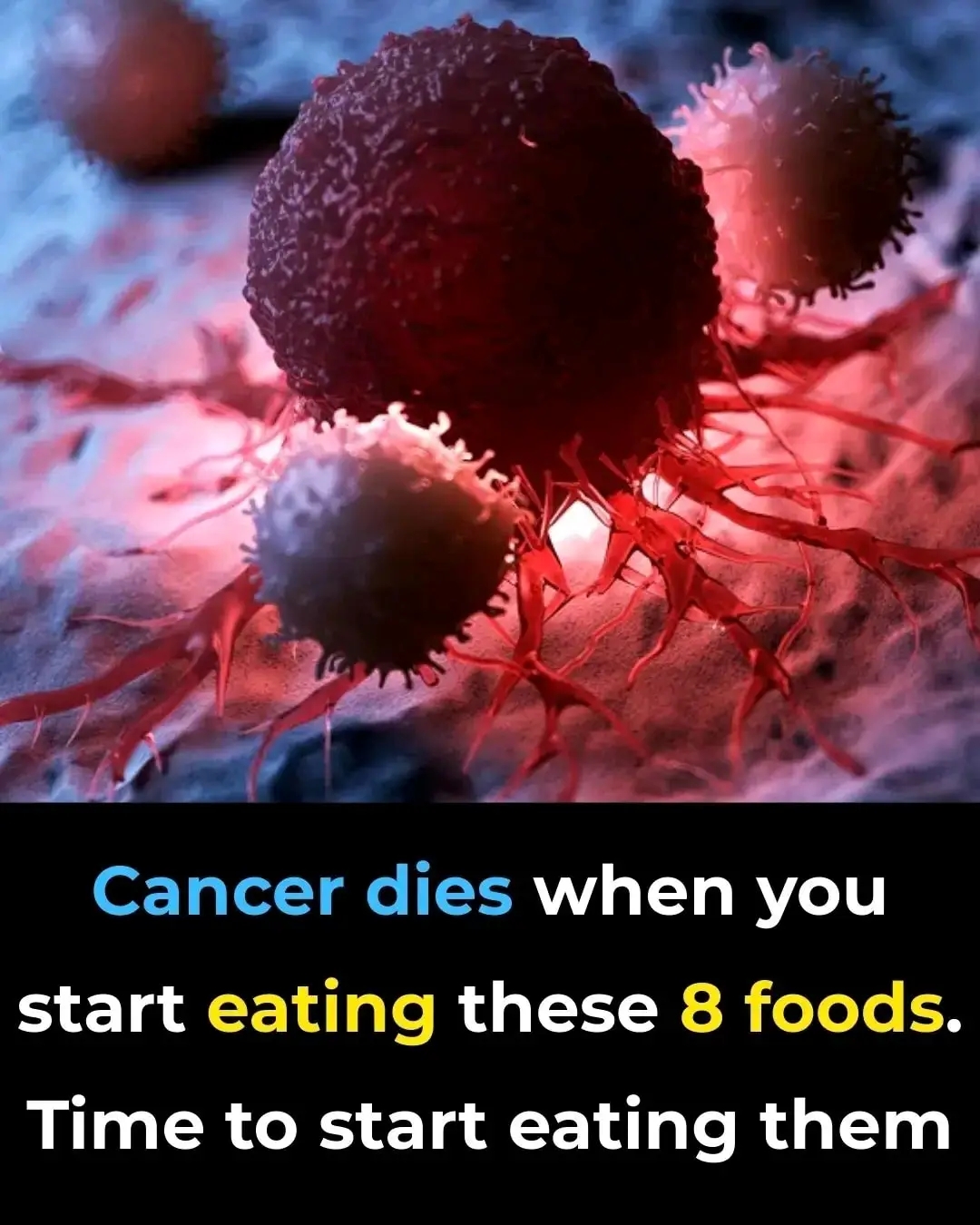
Cancer doesn’t develop overnight. It’s influenced by long-term inflammation, oxidative stress, poor diet, and lifestyle habits. While no food can cure cancer, research consistently shows that certain foods can support the body’s natural defenses, help reduce inflammation, and protect cells from damage. Adding these foods regularly to your diet is one of the smartest, simplest steps you can take for long-term health.
1. Cruciferous vegetables (broccoli, cabbage, cauliflower)
These vegetables contain sulforaphane and indole-3-carbinol—compounds studied for their role in helping the body neutralize carcinogens and support healthy cell repair. Light steaming helps preserve their benefits.
2. Garlic
Garlic is rich in sulfur-containing compounds that support immune function and help the body fight oxidative stress. Regular garlic intake has been linked to reduced risk of certain cancers, especially those affecting the digestive system.
3. Berries
Blueberries, strawberries, raspberries, and blackberries are packed with antioxidants like anthocyanins and vitamin C. These compounds help protect cells from free radical damage that can lead to abnormal cell growth.
4. Turmeric
Turmeric contains curcumin, a powerful anti-inflammatory compound. Chronic inflammation is closely linked to cancer development, and curcumin has been widely studied for its protective role at the cellular level. Pair turmeric with black pepper for better absorption.
5. Leafy greens
Spinach, kale, and Swiss chard are rich in folate, chlorophyll, and carotenoids. These nutrients support DNA repair and help the body remove toxins before they can damage cells.
6. Green tea
Green tea contains catechins, especially EGCG, which have been studied for their role in slowing abnormal cell growth and protecting healthy cells. Drinking 1–2 cups daily can support overall cellular health.
7. Fatty fish
Salmon, sardines, and mackerel are rich in omega-3 fatty acids, which help reduce inflammation and support immune balance. Lower inflammation creates an environment that is less favorable for disease development.
8. Nuts and seeds
Walnuts, flaxseeds, chia seeds, and pumpkin seeds provide fiber, healthy fats, minerals, and antioxidants. Fiber supports gut health, which plays a major role in immune strength and toxin elimination.
Why diet matters more than people realize
Cancer prevention isn’t about one “magic” food—it’s about consistency. A diet rich in whole, plant-based foods helps regulate hormones, reduce inflammation, and strengthen the immune system over time.
The bottom line
You don’t need extreme diets or expensive supplements. Start by adding these foods gradually to your daily meals. Small, consistent changes can support your body’s natural ability to protect itself—now and for years to come.

