Do you know about something that many believers quietly worry about, but rarely question openly? In this article we are talking about cremation — and whether the Bible truly calls it a sin, or whether that idea comes from somewhere else entirely.
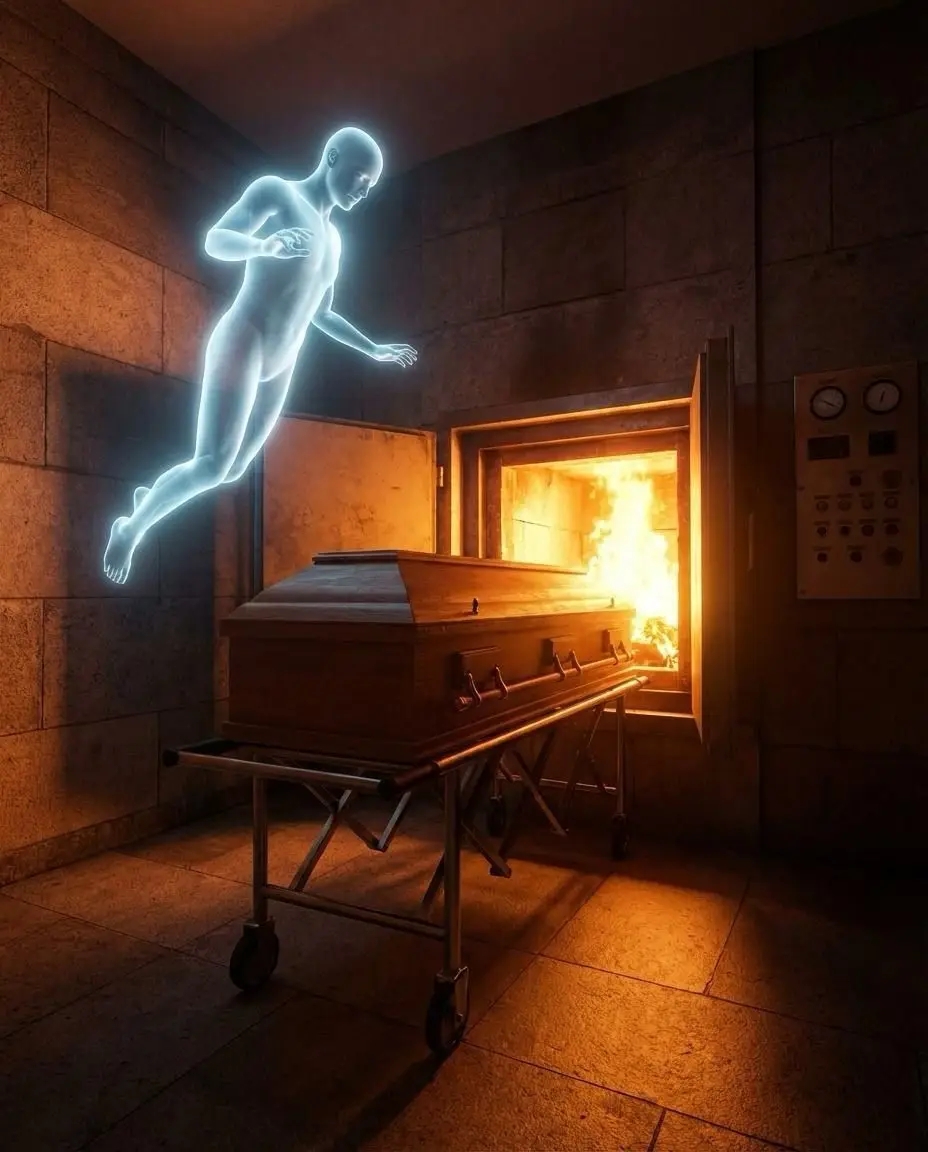
For years, people have heard strong statements like “Cremation is against God” or “The Bible forbids burning the body.” These claims are often repeated with confidence, but when you slow down and actually read Scripture, the answer is far less dramatic — and much more comforting.
Here’s an important truth that surprises many people:
The Bible never directly says cremation is a sin.
There is no verse, commandment, or clear warning that forbids it. Not even one.
In biblical times, burial was the normal custom. Abraham buried Sarah. Jacob wanted to be buried with his fathers. Jesus Himself was laid in a tomb. Because burial was common, many people assume it was required by God. But the Bible often describes what people did without turning those actions into rules. Custom is not the same as command.
Some people point to verses where fire is used and say, “See? Burning bodies is wrong.” But when you look closely, those passages are about judgment or punishment, not funeral practices. Context matters. Burning as a symbol of judgment is very different from cremation done out of necessity, culture, health concerns, or personal choice.
Another common fear is about resurrection. Some believe cremation makes resurrection impossible. Biblically, that idea doesn’t hold up. The Bible teaches that God formed humans from dust and has the power to raise the dead by His will alone. Bodies already decay in the ground. Some are lost at sea. Some are never recovered. God is not limited by ashes, dust, or time. Resurrection is a miracle, not a medical process.
When you move into the New Testament, the focus shifts even more. Scripture emphasizes the soul, faith, repentance, love, and obedience, not what happens to the physical body after death. People are judged by how they lived — not by whether they were buried or cremated.
So where does the strong opposition come from? Mostly from tradition, culture, and later church preferences, not from clear biblical teaching. Some churches discourage cremation as a sign of respect, and that’s a personal or denominational choice — but it is not the same as declaring it a sin.

In simple terms, calling cremation a sin goes beyond what the Bible actually says. Scripture consistently teaches that faith matters more than funeral methods. How a person loves, believes, and lives carries far greater weight than how their body is laid to rest.
The Bible’s message is clear and steady:
God looks at the heart — not the ashes or the grave.