The Bikini: How a Scandal Became a Symbol of Freedom 👙
One small piece of fabric transformed culture forever — sparking outrage, inspiring bans, and ultimately becoming a global symbol of confidence and liberation. The bikini’s journey from scandal to empowerment mirrors the changing roles of women and society’s evolving ideas of beauty and choice.
When Modesty Ruled the Shore
In the early 1900s, swimwear was less about fun and more about following strict modesty laws. Heavy wool suits covered the body from neck to knee, making swimming a challenge. Beach patrols in places like Chicago, Washington D.C., and New York literally measured swimsuits to ensure “proper” coverage. Even showing one’s knees could lead to fines or removal from the beach.
Annette Kellerman: The Swimmer Who Broke Barriers
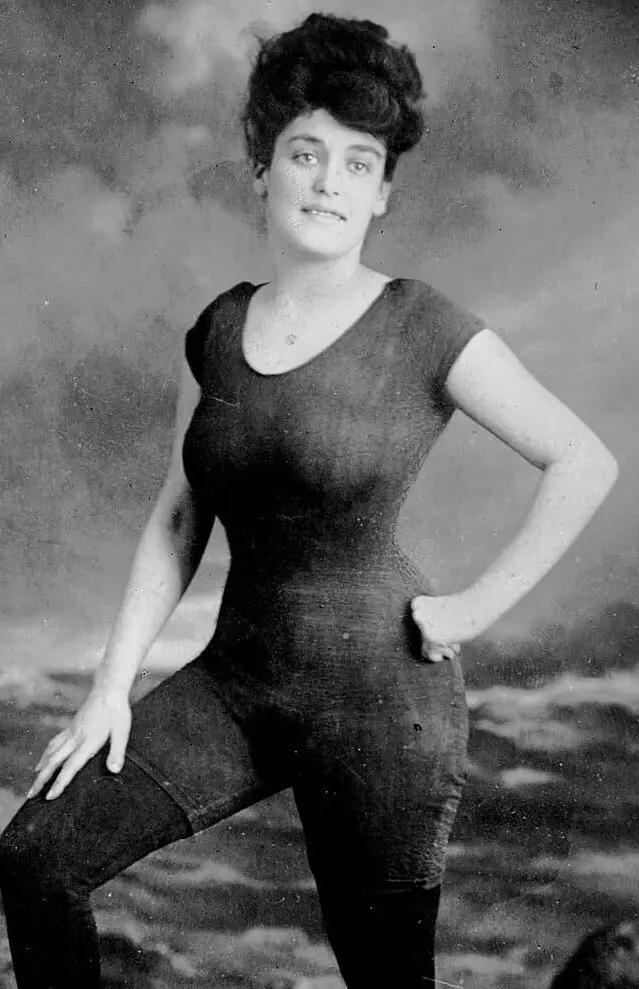
Then came Annette Kellerman, an Australian swimmer and performer who changed history in 1907 by wearing a one-piece suit that revealed her arms and legs. Her bold move caused an uproar and even led to an alleged arrest — a moment that became legendary. Soon, Kellerman launched her own swimwear line, combining functionality with fashion and inspiring women to swim freely.
The 1920s: Fashion Meets Freedom
The roaring ’20s brought a cultural revolution. The “skirts be hanged girls” of California pushed for lighter, more practical swimsuits. For the first time, women were demanding the right to move freely in the water without heavy fabric weighing them down. Beachwear was becoming not just acceptable — but expressive.

The 1946 Shockwave: Birth of the Bikini
In 1946, French engineer Louis Réard unveiled a design that stunned the world — the first two-piece swimsuit exposing the navel. He named it the bikini, inspired by Bikini Atoll, the site of recent U.S. nuclear tests. The name was fitting — its cultural impact was explosive.

Governments quickly reacted. France banned the bikini in 1949, followed by Germany, Italy, Spain, and Portugal, which imposed strict decency laws. Even the Vatican condemned it as immoral. Yet despite resistance, curiosity grew — and so did demand.
The Photograph That Defined an Era
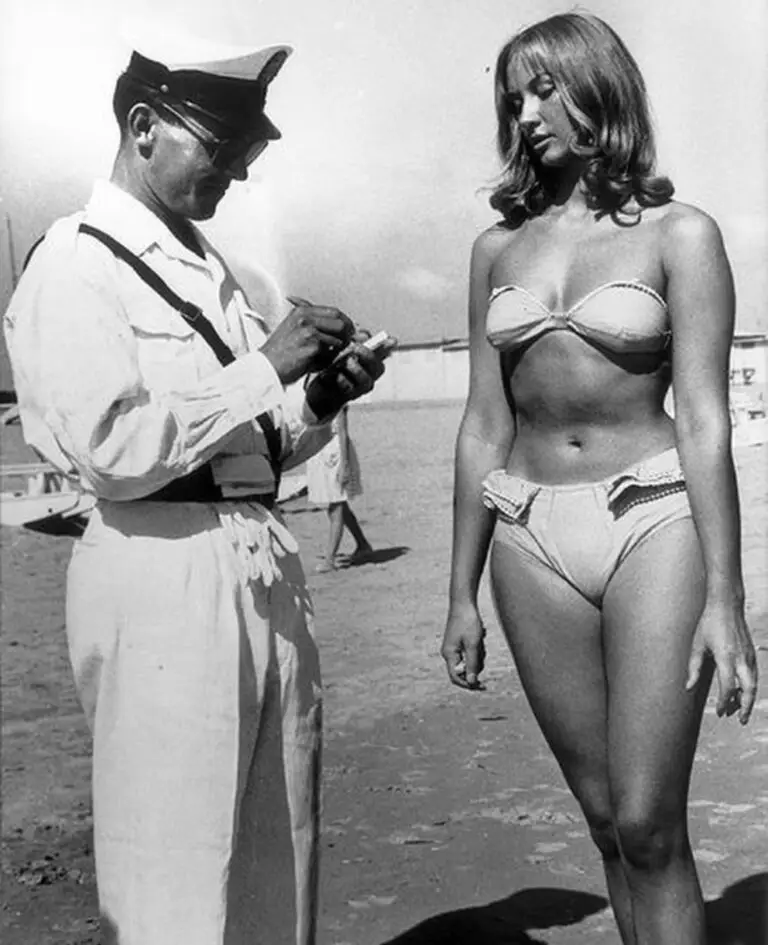
An iconic image of a police officer ticketing a woman in a bikini on an Italian beach captured global attention. Whether staged or real, it reflected a clash between tradition and modernity — between the control of bodies and the freedom to be oneself.
Hollywood and the Power of Image
The 1950s and ’60s saw film stars defy the rules. Despite the Hollywood Hays Code forbidding exposed navels, actresses like Marilyn Monroe, Brigitte Bardot, and Ursula Andress brought the bikini into the spotlight.
When Andress emerged from the ocean in Dr. No (1962), the moment became cinematic history. The bikini was no longer a scandal — it was strength, beauty, and independence personified.
The 1970s and Beyond: Expression Over Expectation
By the 1970s, the bikini had conquered its critics. Designers experimented with string styles, bold colors, and new fabrics. It was no longer about rebellion — it was about self-expression. Beach fashion reflected a growing global movement toward individuality and confidence.
The Modern Era: Freedom of Choice
Today, the bikini represents much more than a swimsuit. It’s a statement of identity. From modest burkinis to minimalist designs, the modern swimwear industry celebrates every body type and personal choice. The question is no longer “Is it appropriate?” — but “Does it make you feel empowered?”
A Legacy of Confidence
What began as a garment condemned by governments and clergy has become an emblem of freedom, confidence, and self-acceptance. Every bikini worn today carries the legacy of those who challenged convention and reshaped the idea of beauty itself.
The next time you visit the beach, remember — the bikini isn’t just fashion. It’s a story of courage, creativity, and the ongoing right to define beauty on your own terms.