Some objects seem ordinary—until they quietly unlock entire chapters of the past. A small, worn piece of metal tucked into a drawer or forgotten attic box might look like a strange tool. But for many, it’s instantly recognizable: a roller skate key.
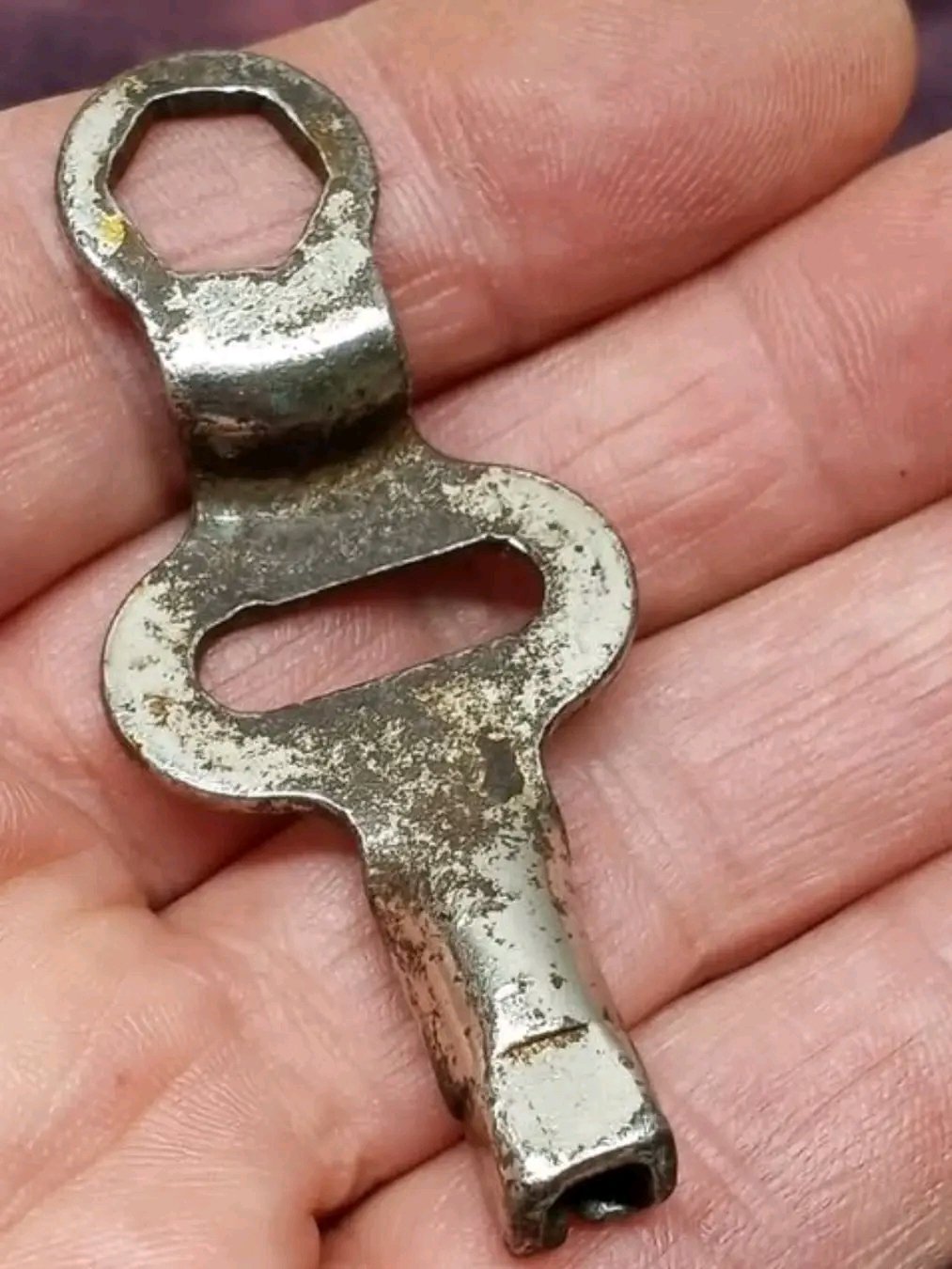
Before plastic skates and instant convenience, metal-and-leather skates ruled sidewalks and rinks. Every pair came with this tiny key, used to tighten clamps, loosen straps, and adjust the fit as growing feet changed. Without it, the skates were useless.
Children often wore the key proudly on a string around their neck. Its soft jingle was a promise—freedom, speed, and adventure waiting just beyond the front door. That little scrap of steel carried more than mechanical purpose; it carried the keys to childhood joy.
It unlocked first wobbly rides down cracked sidewalks, dizzy spins at roller rinks, scraped knees, and triumphant shouts of “I’m flying!” Every fall and recovery taught balance, patience, and perseverance, while the key quietly ensured the journey could continue.
For many, the key became a talisman. It represented independence, small victories, and the thrill of mastering something on your own. Losing it meant postponed adventures. Keeping it meant holding power—the power to explore.
Finding one today feels like opening a time capsule. The scent of hot asphalt, chalk games on pavement, sun-warmed leather straps, and the rush of racing toward the horizon come flooding back with a single jingle.
These objects are more than nostalgic collectibles. They are reminders of earned joy, simple play, and a childhood shaped by effort rather than convenience.
In a way, the roller skate key is a symbol of a different rhythm of life—when fun required patience, practice, and imagination, and a tiny piece of metal carried the weight of countless memories.