t sounds almost too simple — but modern research keeps pointing back to one overlooked mineral many people are deficient in: magnesium.
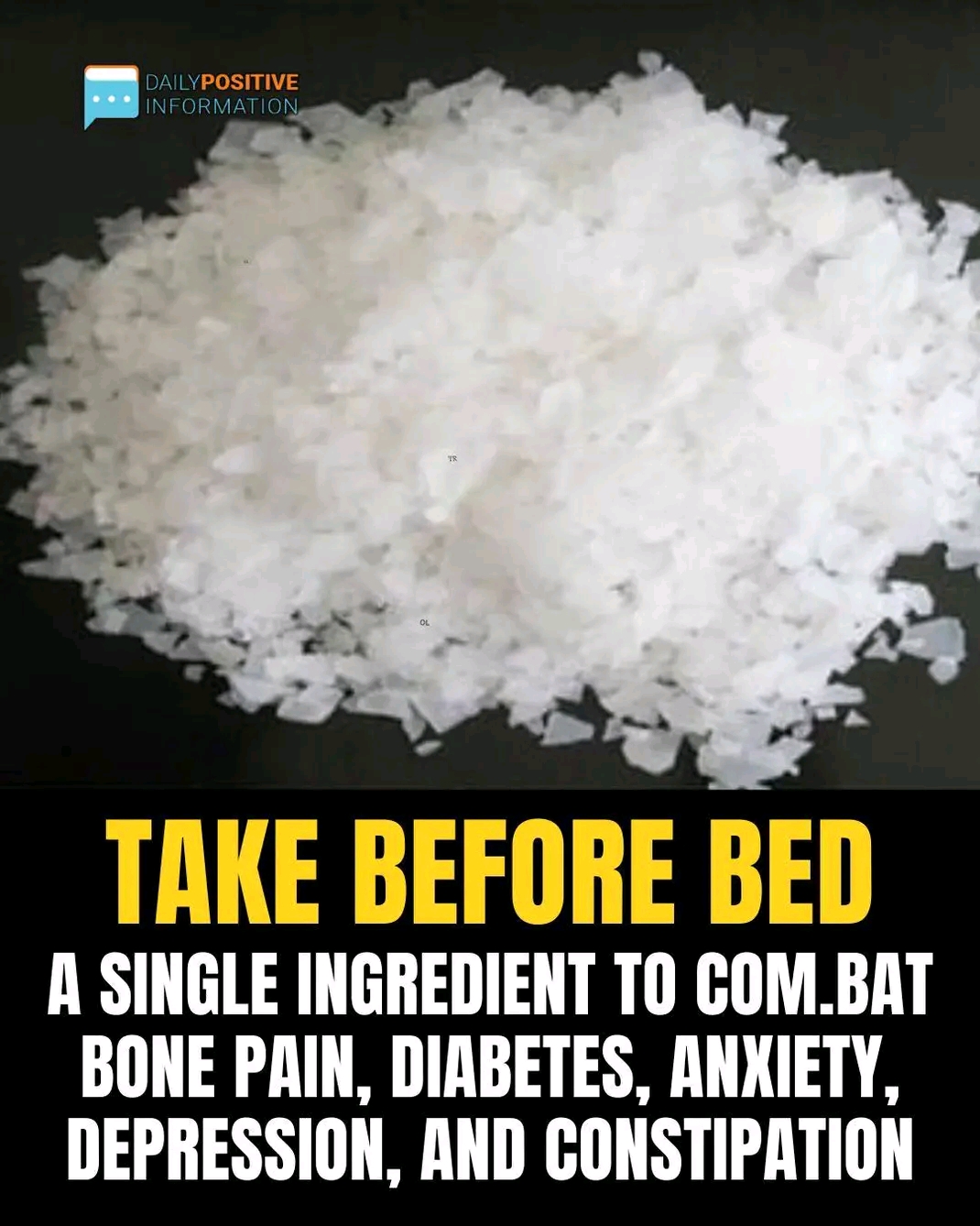
Despite being essential for over 300 biochemical reactions in the body, magnesium deficiency is surprisingly common, especially among adults dealing with stress, poor sleep, blood sugar issues, or digestive problems.
Here’s why magnesium is getting serious attention from doctors and health researchers 👇
🦴 Bone Pain & Weakness
Magnesium works hand-in-hand with calcium and vitamin D. Without enough magnesium, calcium can’t be properly absorbed into bones, increasing stiffness, aches, and long-term bone fragility.
Low magnesium has been linked to: • Bone discomfort
• Muscle cramps
• Increased fracture risk
🩸 Blood Sugar & Diabetes Support
Magnesium plays a key role in insulin sensitivity. Studies show people with low magnesium levels are more likely to develop type 2 diabetes.
Adequate magnesium may help: • Improve insulin function
• Stabilize blood glucose
• Reduce inflammation linked to diabetes
🧠 Anxiety & Stress Reduction
Magnesium helps regulate the nervous system by controlling neurotransmitters that affect calmness and stress.
Low levels are associated with: • Anxiety
• Restlessness
• Irritability
• Poor stress tolerance
Many people notice calmer moods within weeks of correcting a deficiency.
🌧️ Depression & Mood Balance
Magnesium supports serotonin production — the “feel-good” chemical in the brain. Deficiency has been observed in people experiencing low mood and depressive symptoms.
Some researchers now call magnesium “the natural relaxant mineral.”
🚽 Constipation Relief
Magnesium draws water into the intestines, helping stools pass more easily. Certain forms (like magnesium citrate) are commonly used for gentle, short-term relief from constipation.
Why So Many People Are Deficient
• Processed foods strip minerals
• High stress depletes magnesium
• Excess caffeine & sugar reduce absorption
• Certain medications lower levels
Best Natural Sources of Magnesium
• Pumpkin seeds
• Almonds
• Spinach
• Avocados
• Dark chocolate (yes, really 😯)
Supplement forms often recommended: • Magnesium glycinate (calming, gentle)
• Magnesium citrate (digestive support)
• Magnesium malate (muscle & energy support)
Final Thought
This isn’t a miracle cure — but magnesium is one of the most underrated nutrients in modern health. Correcting a deficiency may quietly improve multiple systems at once: bones, nerves, digestion, mood, and metabolism.
Sometimes, real health breakthroughs aren’t exotic — they’re missing minerals hiding in plain sight.

