Do you know that something as simple as how you sleep at night can quietly increase the risk of serious health emergencies? In this article, we are talking about a widely ignored sleep habit that medical experts say can trigger dangerous complications while you’re unconscious.
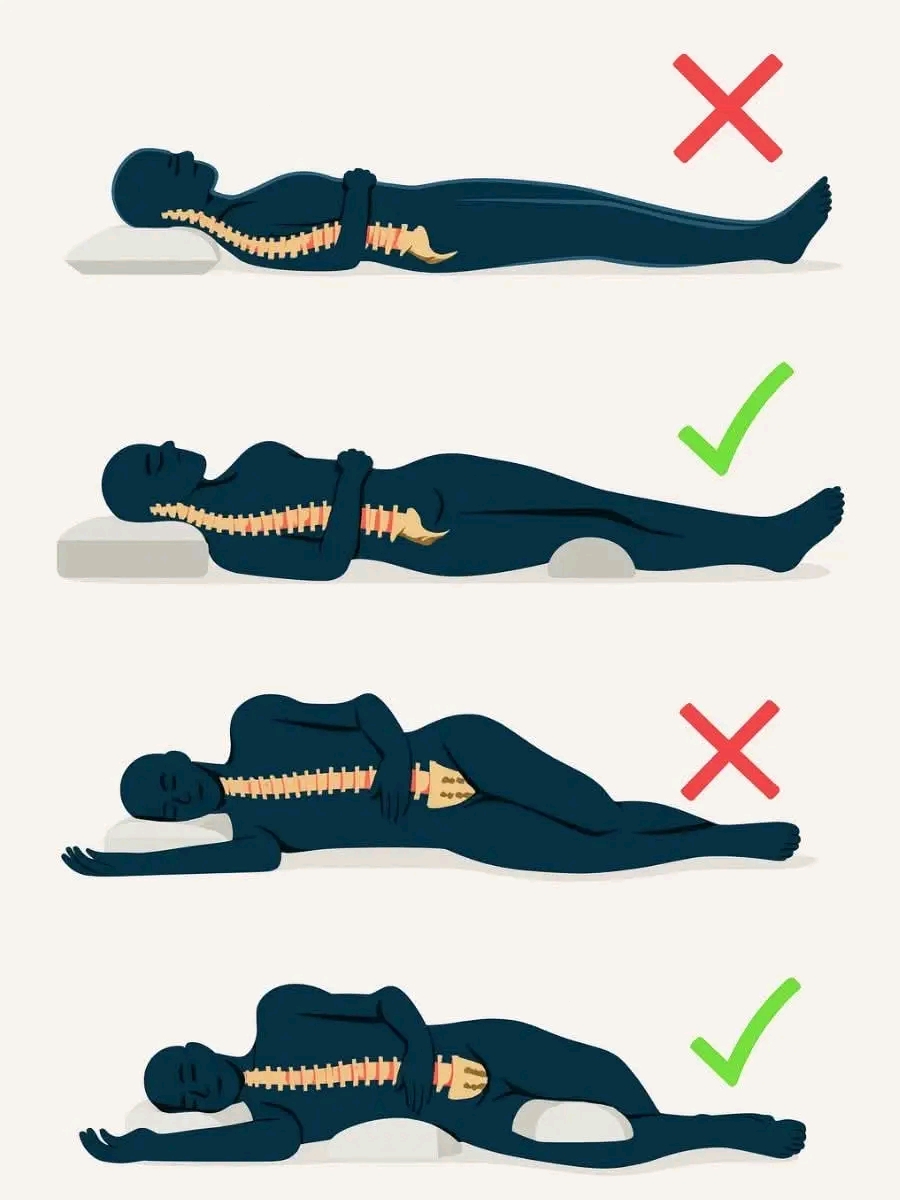
Many people sleep flat on their back without realizing that this position can interfere with breathing, heart rhythm, and oxygen flow. When the body lies this way, gravity can cause the tongue and soft tissues to collapse backward, narrowing the airway and increasing the risk of sleep apnea.
Sleep apnea is not just about snoring. It has been strongly linked to high blood pressure, irregular heartbeat, heart attacks, and strokes — especially during sleep. In severe and untreated cases, oxygen levels can drop so low that the heart struggles to recover.
This position also worsens acid reflux. Stomach acid can travel upward during the night, silently irritating the esophagus and airway. Over time, this increases inflammation, chest pain, and nighttime choking sensations that many people mistake for anxiety or bad dreams.
Doctors say the risk becomes much higher for people with obesity, diabetes, heart disease, chronic stress, or those who consume alcohol before bed. These factors already strain the cardiovascular system, and poor sleep posture adds another hidden layer of danger.
Sleep specialists now recommend side sleeping, especially on the left side, as it improves airflow, supports heart function, and reduces acid reflux. Using a supportive pillow and keeping the head slightly elevated can also make a noticeable difference.
Poor sleep posture doesn’t just affect rest. It impacts hormone balance, brain health, immunity, and long-term medical costs — which is why sleep disorders are now a major focus in preventive healthcare and insurance evaluations.
Most people never think about how they sleep until something goes wrong. But small changes in sleep position can significantly reduce risk and improve overall health.
If you snore loudly, wake up gasping for air, feel exhausted despite sleeping, or have underlying heart or breathing conditions, medical professionals strongly advise getting a proper sleep evaluation.
Sometimes, the habits we repeat every night without thinking are the ones that matter most.

