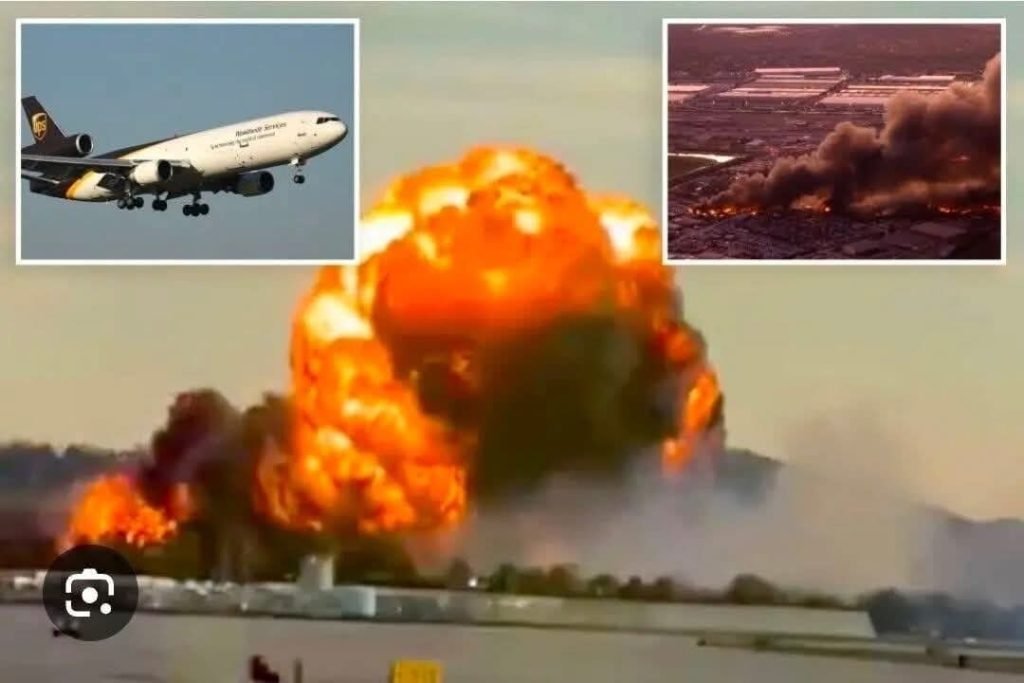
When people see a headline like “Breaking News: The U.S. Launches the War…”, emotions spike instantly. Fear, curiosity, anger, and confusion all hit at once. But before panic takes over, it’s important to understand how such headlines are used, what they usually imply, and what actually happens when the United States becomes involved in a military conflict.
First, let’s be clear: headlines like this are often written in an intentionally incomplete way. The phrase “launches the war” is dramatic but vague. It doesn’t mention where, against whom, or under what conditions. This style is commonly used on social media to increase clicks, not to deliver verified information. In many cases, the full story turns out to be about military drills, strategic warnings, defensive actions, or political statements — not a full-scale war.
Historically, the U.S. does not “launch wars” suddenly or secretly. Military actions usually follow months or even years of political tension, diplomatic talks, sanctions, intelligence reports, and public warnings. Congress, allies, international organizations, and the media are typically involved long before any missiles or troops are deployed.
Another key point is the difference between military operations and war. The U.S. frequently conducts limited operations such as airstrikes, peacekeeping missions, or defensive actions to protect allies or respond to threats. These are often mislabeled as “war” in viral posts, even when they don’t meet the legal or political definition of one.
Social media plays a massive role here. Algorithms favor content that triggers strong emotions, especially fear and shock. A headline suggesting war spreads faster than calm, factual reporting. Unfortunately, this also opens the door for misinformation, exaggeration, and recycled old news presented as if it just happened.
If the U.S. were truly entering a major war, there would be clear official announcements, emergency briefings, statements from the White House and Pentagon, and coverage from all major international news outlets. Markets would react, airlines would change routes, and governments worldwide would issue alerts. A single vague headline with “See More” is not how real wars are announced.
That said, global tensions are real. Conflicts involving major powers affect energy prices, global trade, migration, and security worldwide. This is why people should stay informed — but through reliable sources, not panic-driven posts.
The smartest approach is simple: Pause before sharing
Check trusted news outlets
Look for official statements
Avoid headlines designed to scare
In today’s digital world, not every “Breaking News” alert is breaking — and not every dramatic headline reflects reality. Understanding this difference protects not just your peace of mind, but also the people who rely on you for accurate information.
Sometimes, the real story isn’t about war at all — it’s about how fear travels faster than facts.