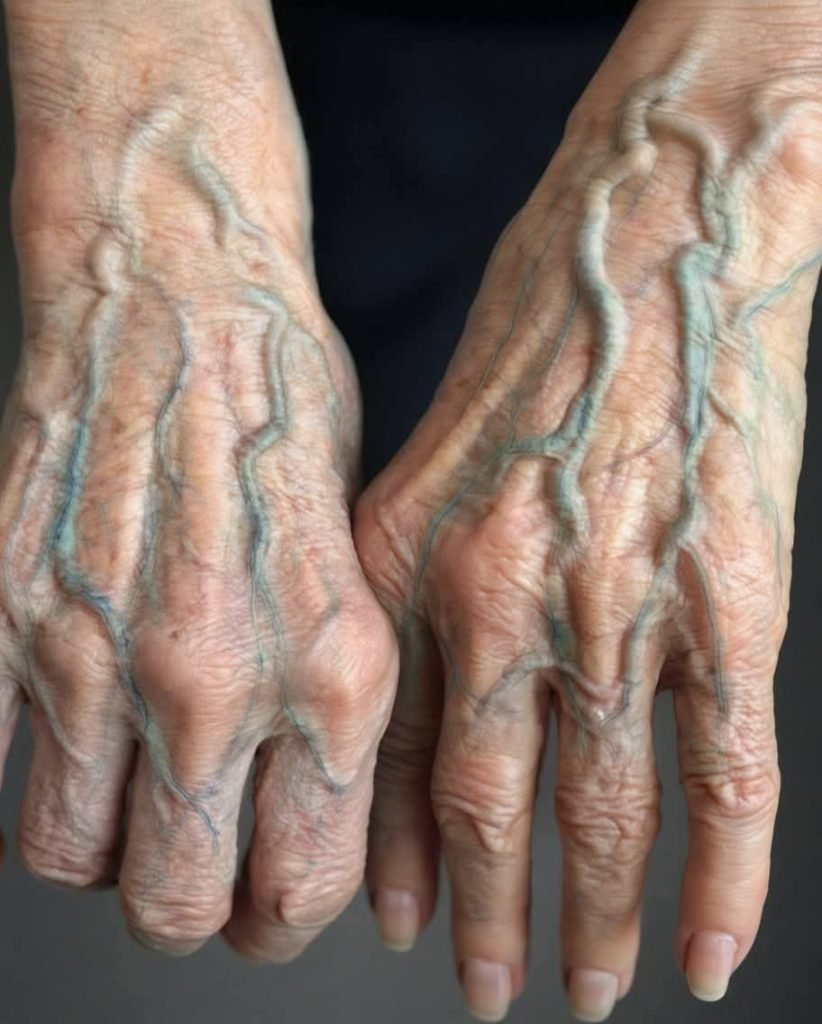
⚠️ Be Careful: If You Notice These Unusual Bruises, Your Body Might Be Warning You of a Serious Condition
Bruises are usually harmless — the result of bumping into furniture or a small fall. But if you start getting frequent or unexplained bruises, it could be your body’s way of signaling something more serious. Doctors warn that certain types of bruising can be early signs of vitamin deficiency, blood disorders, or even cancer.
When Bruising Becomes a Warning Sign
If you notice bruises appearing without injury, especially on your arms, legs, or torso, it may indicate an issue with your blood platelets or circulatory system. According to medical experts, leukemia, liver disease, and vitamin C or K deficiency are among the common causes of unusual bruising.
Some warning signs to watch for include:
- Large, dark purple bruises that appear suddenly
- Bruises that don’t heal for weeks
- Small red or purple spots under the skin (petechiae)
- Bruising combined with fatigue or frequent nosebleeds
Nutritional Deficiency and Lifestyle Causes
Sometimes, the reason is simpler. A poor diet, excessive alcohol use, or long-term medication (like blood thinners or steroids) can make blood vessels weaker, leading to easy bruising. Vitamin C, Vitamin K, and Iron play crucial roles in blood clotting — their deficiency can make even light pressure leave visible marks.
When to See a Doctor
If your bruises appear without clear cause, or are accompanied by other symptoms such as unexplained weight loss, constant fatigue, or prolonged bleeding, you should seek medical advice immediately. Early diagnosis can prevent complications and help detect serious diseases before they progress.
How to Protect Your Health
Doctors recommend:
- Eating foods rich in Vitamin C (oranges, strawberries, bell peppers) and Vitamin K (spinach, kale, broccoli)
- Avoiding excessive alcohol or unprescribed medication use
- Staying hydrated and exercising regularly to strengthen circulation
Remember: your body often speaks through signs and symptoms — and bruises might be one of its first warnings. Pay attention, act early, and always consult a medical professional if something feels off.