Most people never notice how they sit. It’s automatic — you cross a leg, lean forward, or stretch out without thinking. Yet body language experts say posture often reflects mood, confidence, and even decision-making style. The position you naturally choose can quietly reveal how you approach people and situations in daily life.
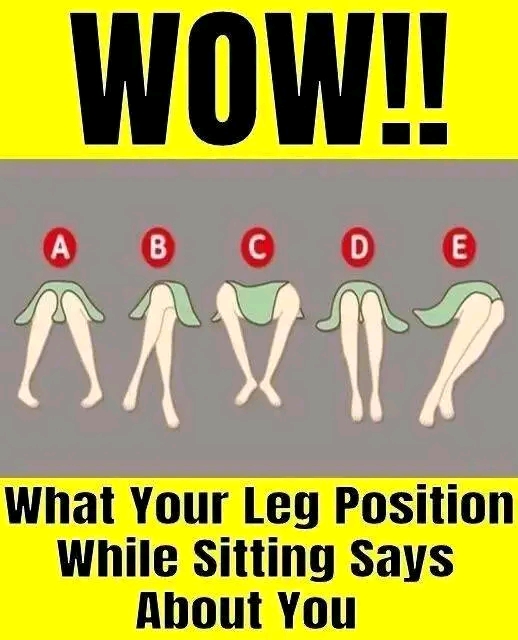
Below are some common sitting positions and what they often suggest.
Legs Crossed at the Knee
This is one of the most common positions. People who sit this way are usually comfortable in social environments and think before they speak. They tend to observe first, then join the conversation.
It can also indicate a person who values privacy and doesn’t immediately reveal personal thoughts.
Ankle on Knee (Figure-4 Position)
Often seen as a confident posture. Individuals who sit like this typically enjoy discussion and debate. They like expressing opinions and are rarely afraid to defend their ideas.
It may also reflect competitiveness and leadership traits.
Legs Tightly Crossed and Arms Close
This position often appears when someone is cautious or unsure in a situation. It doesn’t always mean insecurity — sometimes it simply shows the person is processing information or prefers listening over speaking.
They usually open up after feeling comfortable.
Both Feet Flat on the Floor
People who sit upright with both feet planted are usually practical and grounded. They prefer clear plans and dislike unnecessary drama.
Others often see them as reliable because they focus on solutions rather than emotions.
One Leg Tucked Under the Other
This posture is common among creative thinkers. It often belongs to someone imaginative, reflective, and mentally active. They may appear quiet but are usually analyzing everything happening around them.
Leaning Back with Legs Extended
Relaxed and open personalities often sit this way. They are comfortable in their environment and generally easygoing. However, in formal settings it can also show strong confidence or authority.
Why It Matters
Sitting position doesn’t define personality completely, but it offers small clues about comfort level, attitude, and communication style. Body language works silently — long before words are spoken.
Next time you sit down, notice your posture. You might discover your body has been speaking for you all along.

