If your baby has these marks it means… See more
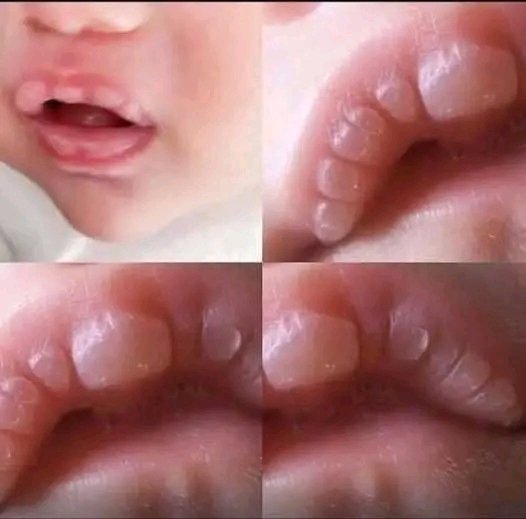
If your baby has certain marks on their skin, it’s natural for parents to feel curious, concerned, or even worried. Babies are born with all kinds of unique features, and skin marks are actually far more common than many people realize. Most of these marks are completely harmless and fade with time, while a few may need simple monitoring by a doctor. Understanding what these marks usually mean can bring peace of mind and help parents know when medical advice is truly needed.
One of the most common marks seen in newborns is the light pink or red patch often found on the back of the neck, eyelids, or forehead. These are sometimes called “angel kisses” or “stork bites.” They are caused by tiny blood vessels close to the skin and usually fade on their own within the first few years of life. These marks are not painful and do not affect the baby’s health in any way.
Another very common mark is the bluish-gray patch often seen on the lower back or buttocks, especially in babies with darker skin tones. These are known medically as Mongolian spots. Despite their dark appearance, they are completely harmless and usually fade as the child grows. Many parents initially fear they are bruises, but doctors can easily recognize them at birth.
Some babies are born with small raised red marks that may grow slightly during the first few months of life. These are infantile hemangiomas, which are collections of extra blood vessels in the skin. While they may look alarming at first, most of them shrink and disappear on their own over time. Only in rare cases, when they interfere with vision, breathing, or feeding, do doctors recommend treatment.
There are also café-au-lait spots, which are light brown patches on the skin. Having one or two of these is usually harmless. However, if a child has many of them in unusual patterns, doctors may suggest further observation just to rule out rare genetic conditions. In most cases, they remain simple cosmetic features.
White patches on a baby’s skin can sometimes be areas of temporary pigment difference, especially in newborns. In rare situations, they may signal a condition affecting skin pigmentation, but this is uncommon and usually diagnosed early by pediatricians during routine checkups.
Parents should seek medical advice if a mark changes rapidly in size, color, or texture, if it bleeds without injury, if it seems painful to the baby, or if many new marks appear quickly. Pediatricians are trained to identify which marks are normal and which require further evaluation. In most cases, reassurance is all that is needed.
It’s important to remember that a baby’s skin is still developing after birth. Many marks that look dramatic in the early weeks gradually fade as the child grows. Every baby is different, and most skin marks are simply part of that natural uniqueness. With proper medical guidance, parents can feel confident knowing what is normal and when to seek support, ensuring their child’s health and well-being without unnecessary fear.