Why Do Small, Smelly White Stones Appear in the Mouth?
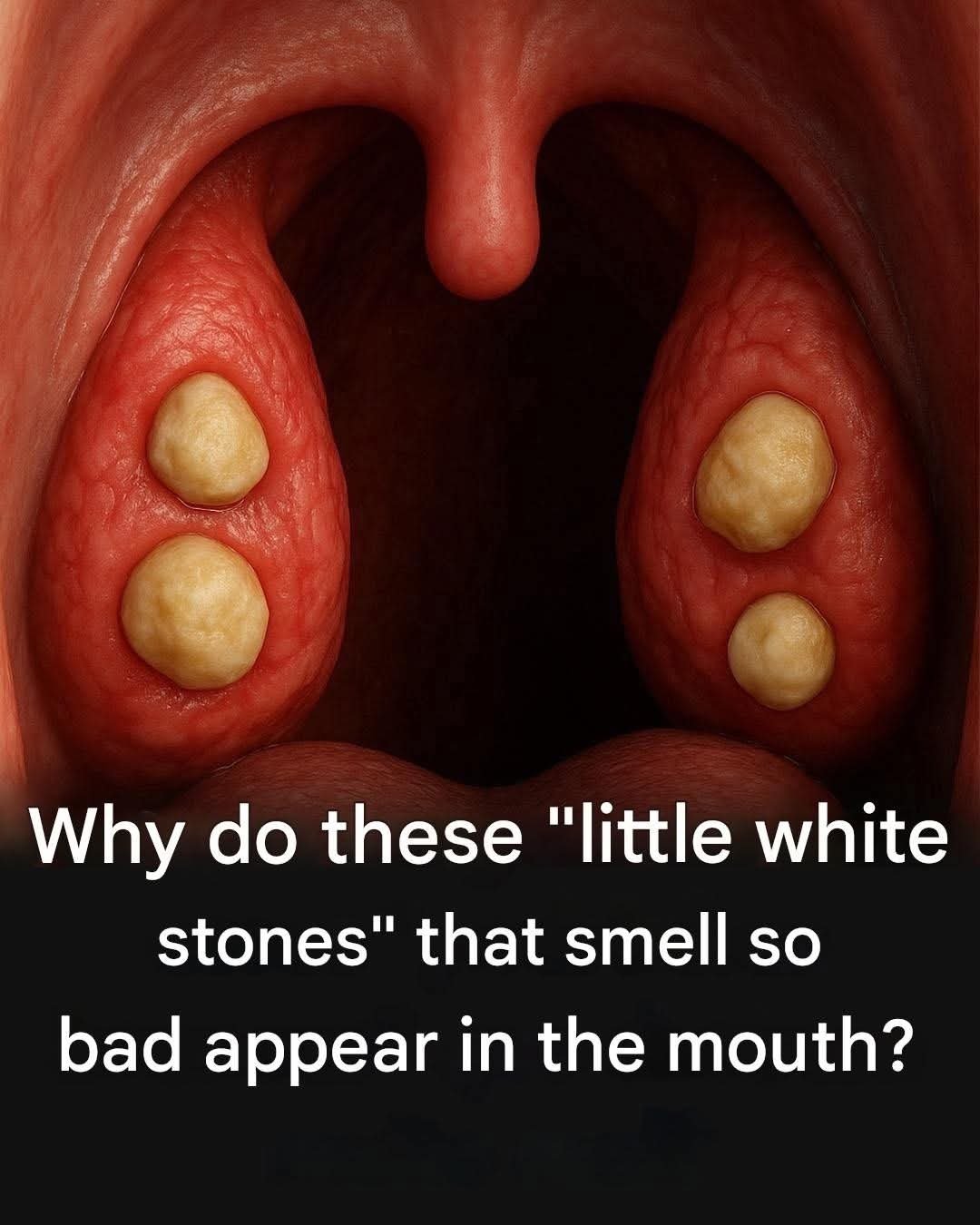
Those small, white, foul-smelling stones that sometimes appear in the mouth are called tonsil stones, or tonsilloliths. They form in the crevices of the tonsils and are much more common than people realize. While they are usually harmless, they can be uncomfortable, embarrassing, and a major cause of persistent bad breath.
What Are Tonsil Stones Made Of?
Tonsil stones form when food particles, dead cells, mucus, and bacteria get trapped in the tiny pockets of the tonsils. Over time, this trapped material hardens by absorbing minerals like calcium, turning into small white or yellowish stones. The strong, unpleasant smell comes from sulfur-producing bacteria that thrive in this environment.
Why Do Some People Get Them and Others Don’t?
Several factors increase the risk of developing tonsil stones. People with deep tonsil grooves, chronic tonsillitis, frequent throat infections, poor oral hygiene, post-nasal drip, or dry mouth are more likely to get them. Smoking and dehydration also make the problem worse because they allow bacteria to grow more easily.
Common Symptoms to Watch For
Some people have tonsil stones without any symptoms at all. Others may notice persistent bad breath, a foreign body sensation in the throat, difficulty swallowing, ear pain, a metallic or bitter taste, or visible white spots on the tonsils. The smell is often the first and most noticeable sign.
Are Tonsil Stones Dangerous?
In most cases, tonsil stones are not dangerous and do not cause serious health problems. However, large or frequent stones can lead to throat irritation, infection, and chronic discomfort. Very rarely, untreated infections linked to tonsils can spread, so persistent symptoms should never be ignored.
How to Remove and Prevent Them Safely
Small tonsil stones can often be removed by gentle gargling with warm salt water or by carefully using a clean cotton swab or water flosser. Good oral hygiene is the most effective prevention method. This includes brushing twice daily, cleaning the tongue, flossing, staying well hydrated, and treating nasal allergies or sinus problems that cause mucus buildup.
When to See a Doctor
If you experience recurrent tonsil stones, severe throat pain, frequent infections, or difficulty swallowing, it’s important to see an ENT specialist. In very stubborn cases, medical treatments or tonsil removal may be recommended.
Final Thought
Small, smelly white stones in the mouth may be unpleasant, but they are usually manageable with proper hygiene and care. Understanding why they form is the first step toward preventing them for good.

