Are Your Nails Always Splitting or Breaking? Here’s What Your Body Might Be Trying to Tell You
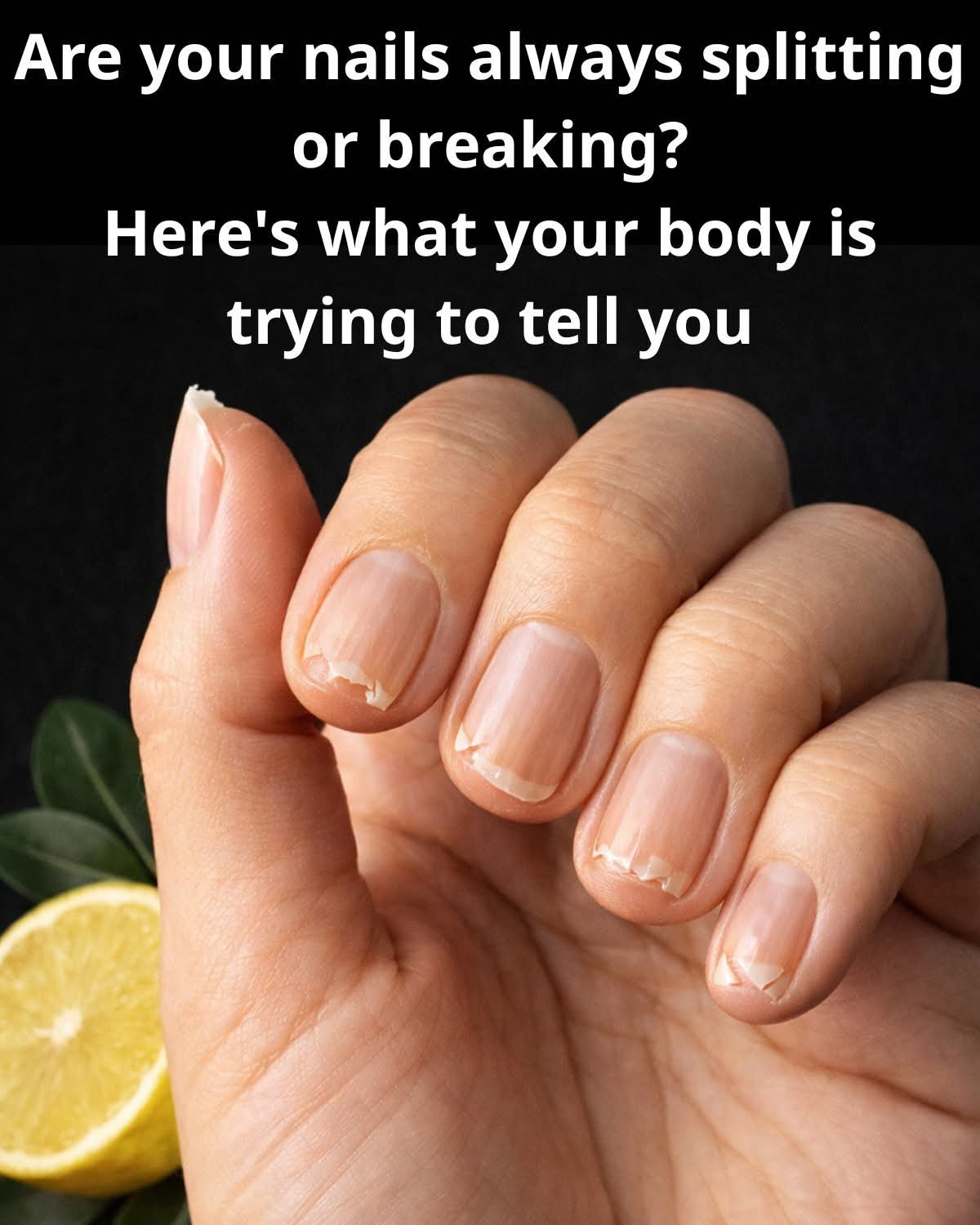
If your nails constantly split, peel, or break no matter how careful you are, it’s not just a cosmetic issue. Your nails often reflect what’s happening inside your body, and ongoing nail problems can be a quiet signal that something is out of balance. Paying attention to these signs can help you address the root cause instead of just trimming the damage away.
One of the most common reasons for weak, splitting nails is nutrient deficiency. Your nails are made primarily of keratin, a protein that depends on proper nutrition to stay strong. Low levels of biotin, iron, zinc, or protein can cause nails to become brittle and prone to breaking. Iron deficiency, in particular, may also cause nails to look pale or develop ridges.
Dehydration is another major factor many people overlook. Just like skin and hair, nails need moisture to stay flexible. Not drinking enough water can make nails dry and fragile, increasing the chances of splitting. Frequent exposure to water without moisturizing—such as washing dishes or hands often—can worsen the problem.
Your nails may also react to harsh chemicals. Regular use of nail polish removers containing acetone, cleaning products without gloves, or frequent gel and acrylic treatments can weaken the nail structure over time. These products strip away natural oils, leaving nails thin and brittle.

In some cases, hormonal changes play a role. Pregnancy, menopause, or thyroid imbalances can affect nail growth and strength. An underactive thyroid, for example, often causes dry, slow-growing, and breaking nails along with fatigue and hair thinning.
Digestive or absorption issues can also show up in your nails. Even if you eat well, conditions that interfere with nutrient absorption may prevent your body from getting what it needs to support nail health.
What can you do? Start by nourishing your body from the inside. Eat foods rich in protein, leafy greens, eggs, nuts, seeds, and whole grains. Stay hydrated, and protect your hands with gloves when cleaning. Moisturizing your nails and cuticles daily with natural oils can make a noticeable difference.

If nail splitting continues or is accompanied by other symptoms like fatigue, hair loss, or skin changes, it’s important to consult a healthcare professional. Your nails may be offering an early warning—listening now can help prevent bigger health issues later.

