Don’t get fooled by the supermarket label — here’s what it really means when you buy meat.
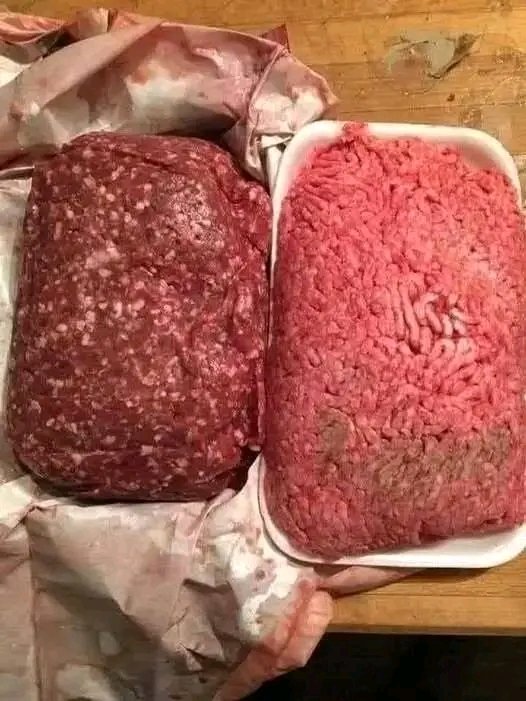
Many shoppers believe the meat they see neatly packaged in supermarkets comes directly from local farms, freshly prepared and minimally handled. The reality is more complex — and understanding it can help you make smarter, healthier purchasing decisions.
Most supermarket meat does not come straight from the store’s back room or a nearby farm. It typically passes through large industrial processing facilities where animals are slaughtered, cut, treated, packaged, and transported long before it reaches the display case. These facilities often supply meat to hundreds of stores across multiple regions.
One detail many consumers overlook is repackaging. Meat labeled as “fresh” may have been previously frozen, then thawed and repackaged at a distribution center. In many countries, this is legal as long as the meat is safe — but the wording on labels can be misleading if you don’t know what to look for.
Another concern is added solutions. Some meats are injected with saline, preservatives, or flavor enhancers to improve appearance, weight, and shelf life. This can increase sodium content significantly, which matters for people managing blood pressure or heart health.

There’s also the issue of origin labeling. “Packed in” does not mean “raised in.” An animal may be raised in one country, processed in another, and packaged in a third. Without reading the fine print, shoppers may assume they’re buying local when they’re not.
This doesn’t mean supermarket meat is unsafe — food safety regulations are strict in most developed countries. But it does mean consumers should be informed. Look for clear labels like: • “Grass-fed” • “No added hormones” • “No antibiotics” • “Product of [country]” • Certified organic or pasture-raised seals
For higher transparency, many nutritionists recommend buying from butchers, certified local farms, or traceable meat programs, especially for families focused on long-term health.

The bottom line: supermarkets aren’t necessarily deceiving you — but marketing language is designed to sell, not educate. The more you understand labels, sourcing, and processing, the more control you have over what ends up on your plate.
Smart food choices begin with informed questions — and your health is worth that extra glance at the label.

