Finding greenish spots on your bread can be alarming — especially when you have kids at home. While some people might dismiss it as harmless, these spots are usually a sign of mold growth, which can pose health risks.
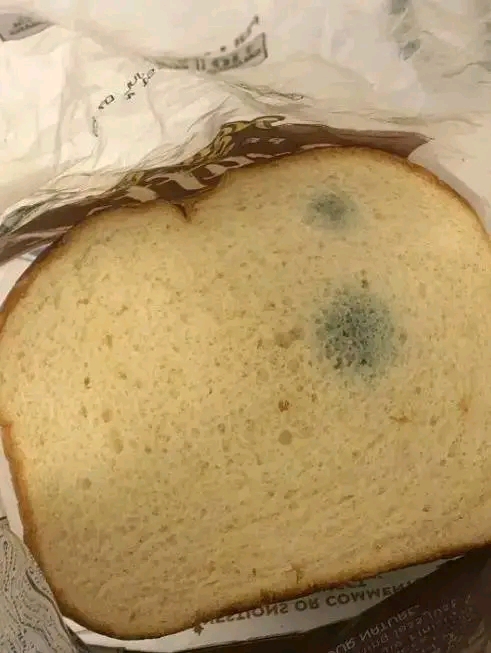
Mold thrives in moist environments and on foods like bread that contain carbohydrates. Even if only a small section of bread looks green, mold spores can spread throughout the loaf invisibly. Consuming moldy bread can lead to allergic reactions, respiratory issues, or digestive discomfort. Some molds produce mycotoxins, which are toxic substances that can be harmful if ingested, especially for children, pregnant women, or people with weakened immune systems.
It’s important to note that not all mold is safe, even if it looks small or harmless. Unlike certain cheeses that are intentionally made with mold, bread mold is unintentional and can carry bacteria along with it. Simply scraping off the green spots does not remove all the spores — they may have penetrated deeper into the loaf.
The safest approach is to discard bread that shows signs of mold. Store fresh bread in a cool, dry place and consume it before its expiration date to reduce the chance of mold growth. If you notice mold appearing regularly, consider checking storage methods or switching to bread with preservatives that resist mold longer.
While some family members might think small mold spots are safe, experts recommend caution. Your health and your children’s health come first — and a little wasted bread is far better than risking foodborne illness.