How to Treat an Ingrown Toenail at Home: A Step-by-Step Guide
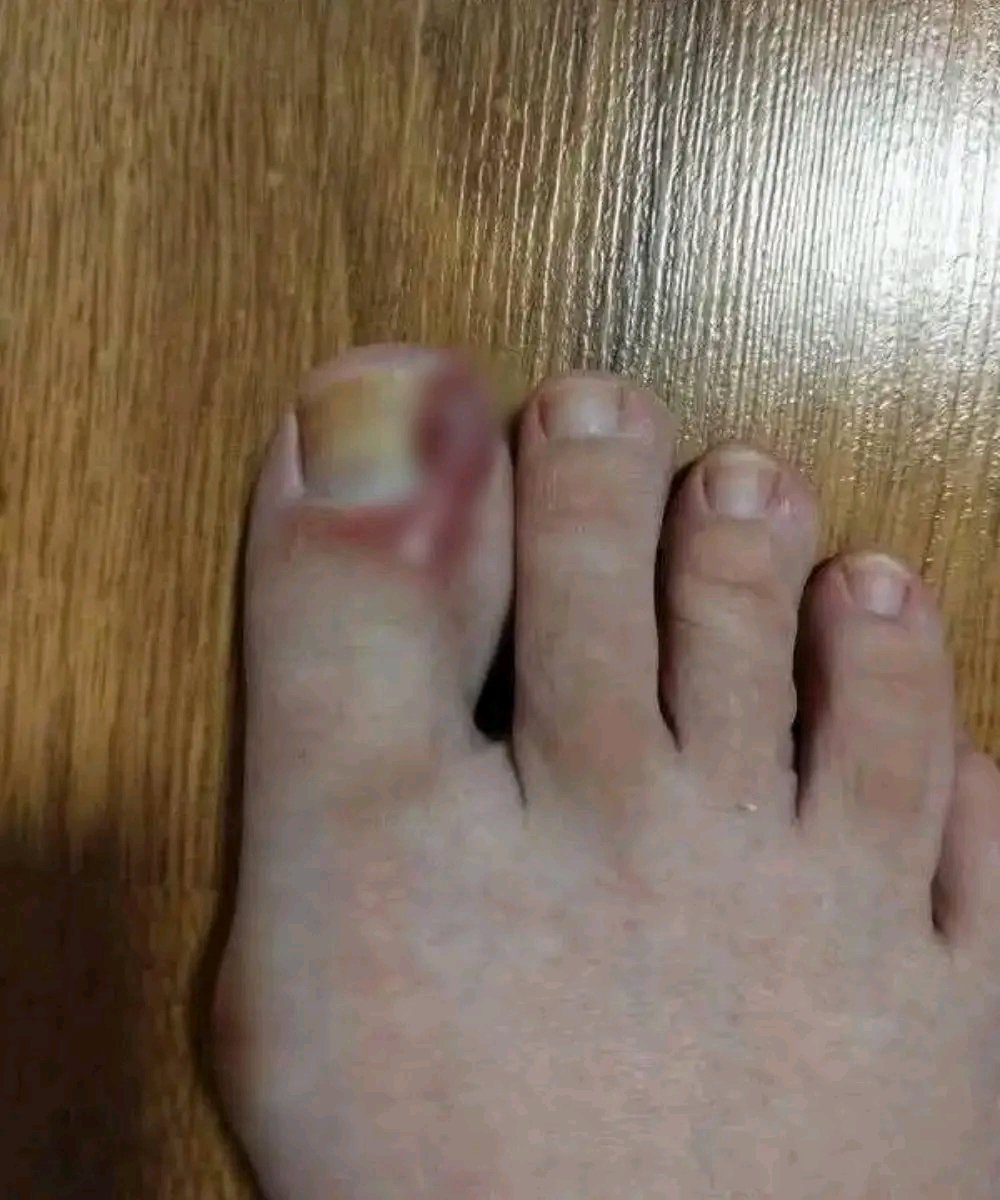
Ingrown toenails are a common foot problem that can cause pain, redness, swelling, and discomfort—especially when wearing shoes or walking. They happen when the edge of a toenail grows into the surrounding skin, most often on the big toe. While severe or infected cases require medical attention, many mild to moderate ingrown toenails can be safely managed at home with proper care.
This guide explains simple, effective, and AdSense-safe home treatments to relieve pain, reduce inflammation, and prevent infection.
What Causes Ingrown Toenails
Ingrown toenails usually develop due to
Improper nail trimming (cutting nails too short or rounding the edges)
Tight or narrow shoes that press on the toes
Toe injuries or repeated pressure
Naturally curved or thick toenails
Poor foot hygiene
Understanding the cause helps prevent the problem from returning.
Step 1: Soak Your Foot Properly
Soaking softens the nail and reduces swelling.
Use warm water mixed with mild soap or Epsom salt
Soak for 15 to 20 minutes
Repeat 2 to 3 times daily
This helps ease pain and makes the nail easier to manage.
Step 2: Keep the Area Clean and Dry
After soaking, gently dry your foot completely.
Pat dry with a clean towel
Avoid rubbing the inflamed skin
Keep feet clean throughout the day
Cleanliness is key to preventing infection.
Step 3: Gently Lift the Nail Edge
If the nail has softened after soaking, you may try lifting it slightly.
Use clean hands or sanitized tweezers
Place a small piece of clean cotton or dental floss under the nail edge
Do not force the nail upward
This encourages the nail to grow above the skin instead of into it.
Step 4: Apply an Antibacterial Ointment
Using a topical antibiotic can help reduce infection risk.
Apply a thin layer of antibacterial or antiseptic ointment
Cover lightly with a clean bandage if needed
Change the dressing daily.
Step 5: Wear Comfortable Footwear
Shoes can make an ingrown toenail worse if they apply pressure.
Choose open-toed shoes or sandals when possible
Avoid tight, pointed, or narrow shoes
Wear breathable socks
Reducing pressure allows the toe to heal faster.
Step 6: Take Pain Relief if Needed
For discomfort or inflammation, over-the-counter pain relievers can help.
Use acetaminophen or ibuprofen as directed
Avoid excessive use
Pain relief should support healing, not mask worsening symptoms.
Step 7: Trim Nails Correctly Going Forward
Proper nail care helps prevent future ingrown toenails.
Cut nails straight across
Do not round the corners
Avoid cutting nails too short
Healthy trimming habits are one of the most effective preventive measures.
When to See a Doctor
Home treatment is not recommended if you notice
Increasing pain or swelling
Pus, drainage, or redness spreading
Fever or signs of infection
Diabetes or poor circulation
In these cases, professional medical care is essential to prevent complications.
Final Thoughts
An ingrown toenail can be painful, but early care at home often brings quick relief. With proper soaking, hygiene, and nail care, many people recover without medical procedures. Paying attention to footwear and trimming habits can also reduce the risk of recurrence.
If symptoms don’t improve within a few days or worsen, don’t delay seeking medical advice. Healthy feet are essential for comfort, mobility, and overall well-being.