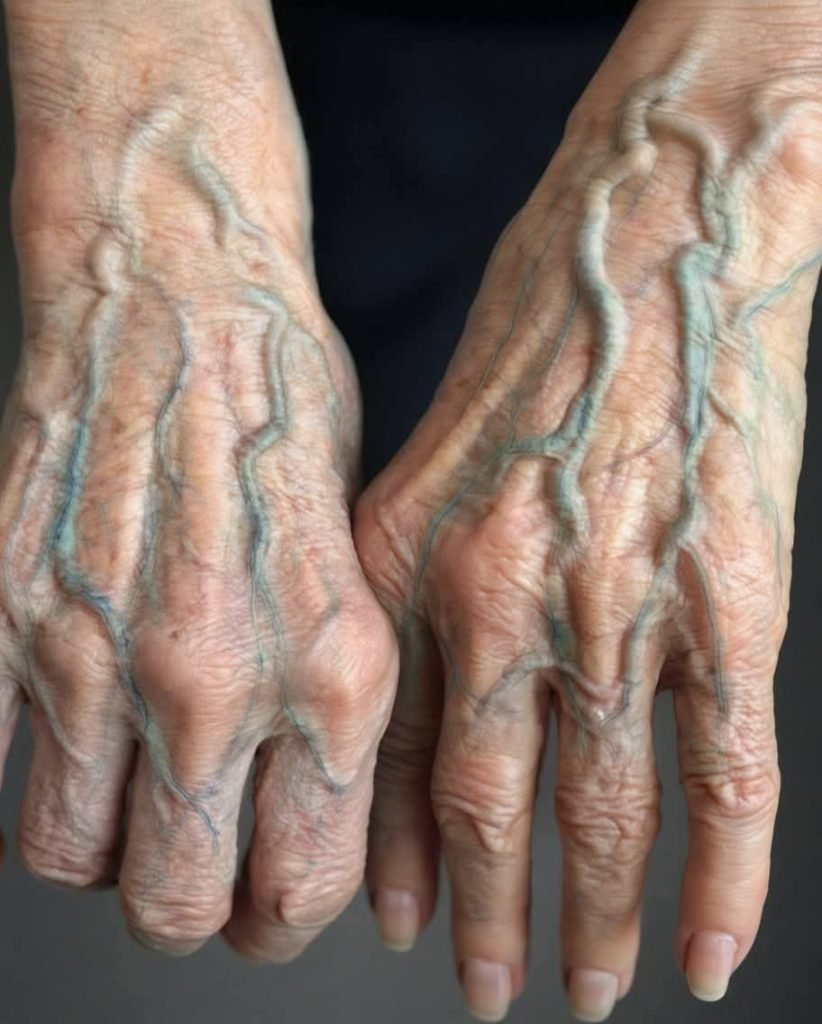
If Your Body Itches and These Bumps Appear on Your Skin… Here’s What It Could Mean

An unexplained itch that refuses to go away—especially when it comes with small bumps on the skin—can be more than just a minor annoyance. For many people, it starts subtly: a few raised spots, mild irritation, maybe worse at night or after sweating. Over time, the itching intensifies, the bumps spread, and discomfort becomes hard to ignore. While the cause is often harmless, your skin may be signaling that something deeper is going on.
One of the most common reasons for itchy bumps is an allergic reaction. This can happen when your body reacts to something it doesn’t like—new soaps, detergents, perfumes, fabrics, foods, or even medications. In these cases, the bumps may look red, swollen, or hive-like and can appear suddenly. Allergic rashes often itch intensely and may fade once the trigger is removed, though some linger longer without treatment.
Another frequent cause is heat rash, especially in hot or humid conditions. When sweat gets trapped under the skin, tiny itchy bumps can form, often on the neck, chest, back, or folds of the skin. These bumps may feel prickly or sting slightly and usually improve once the skin cools and stays dry.
Dry skin is another underestimated culprit. When the skin barrier is compromised—due to cold weather, excessive bathing, or dehydration—it can lead to itching and rough, bumpy patches. This is especially common on arms, legs, and the torso. In some people, dry skin can trigger flare-ups of eczema, a chronic condition marked by itchy, inflamed bumps.

In certain cases, itchy bumps may be linked to skin infections or infestations. Conditions like folliculitis (inflamed hair follicles), fungal infections, or even mites can cause clusters of itchy spots. These often worsen over time and may spread if not addressed. Persistent itching at night can sometimes be a clue that something more than irritation is involved.
Hormonal changes, stress, and immune responses can also play a role. Stress, in particular, is known to worsen skin sensitivity and can trigger flare-ups of existing skin conditions, making bumps itchier and more noticeable.
While many itchy skin bumps are mild and temporary, warning signs should not be ignored. Rapid spreading, severe itching, pain, oozing, fever, or changes in color or size may indicate the need for medical evaluation. Likewise, if home remedies and gentle skincare don’t help after several days, it’s important to seek professional advice.
Your skin is often the first place where internal imbalances show up. Paying attention early—rather than scratching and hoping it goes away—can make all the difference in comfort, healing, and peace of mind.