If You’re a Woman With Chin Whiskers, Pay Attention
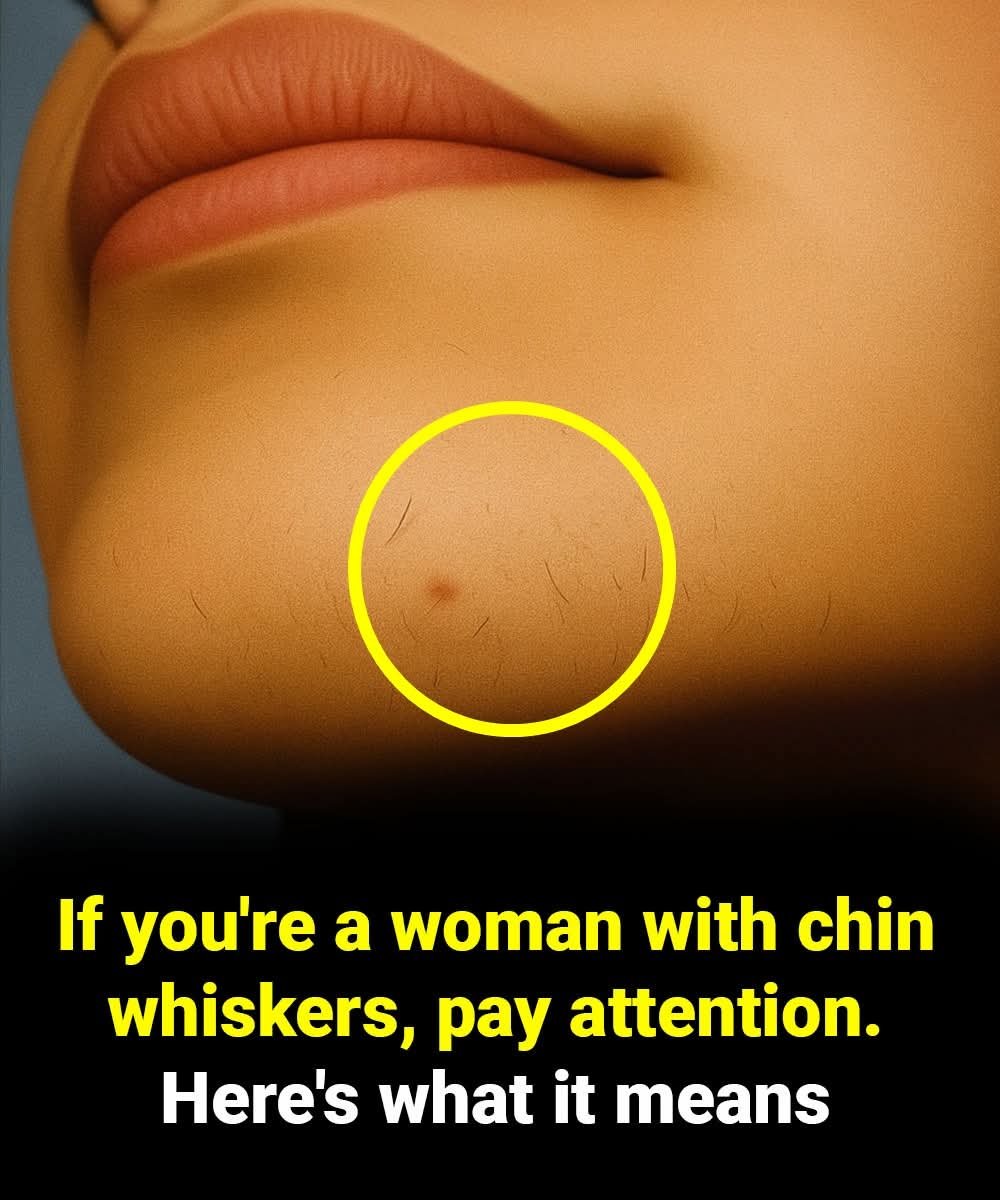
Finding coarse, dark hairs on the chin can feel frustrating, embarrassing, or even alarming for many women. You’re not alone — and more importantly, your body may be trying to tell you something. Chin whiskers are not just a cosmetic issue. In many cases, they are a sign worth paying attention to.
Hormones Are Often the Main Cause
The most common reason women develop chin whiskers is hormonal imbalance. When androgen (male hormone) levels rise — even slightly — the body can respond by growing thicker facial hair. This is especially common during puberty, after childbirth, during perimenopause, or after menopause.
Polycystic Ovary Syndrome (PCOS)
One of the biggest red flags linked to chin whiskers is PCOS. Women with PCOS often experience excess facial hair, irregular periods, acne, and difficulty losing weight. Chin hair in this case isn’t random — it’s a symptom of disrupted hormone signaling.
Insulin Resistance and Blood Sugar Issues
High insulin levels can trigger the ovaries to produce more androgens. That’s why women with prediabetes or insulin resistance often notice increased facial hair growth. Chin whiskers can sometimes appear before blood sugar problems are officially diagnosed.
Stress Plays a Bigger Role Than You Think
Chronic stress increases cortisol, which interferes with hormone balance. Over time, this can worsen androgen dominance and lead to chin hair growth. Emotional stress, lack of sleep, and constant fatigue all contribute.
Age-Related Hormonal Shifts
As estrogen declines with age, testosterone can become more noticeable in the body. This is why many women suddenly develop chin hairs in their 40s or 50s — even if they never had them before.

When You Should Not Ignore It
If chin whiskers appear suddenly, grow rapidly, or are accompanied by hair thinning on the scalp, deepening voice, irregular cycles, or unexplained weight gain, it’s important to get checked. These signs may point to hormonal or metabolic conditions that need attention.
What You Can Do Naturally
Balancing blood sugar through diet, reducing sugar and refined carbs, managing stress, and prioritizing sleep can help reduce hormonal triggers. Some women also find improvement by supporting liver health, since the liver helps process excess hormones.
Hair Removal Is Not the Solution — Understanding Is
Plucking, waxing, or shaving removes the hair, not the cause. While these methods are fine cosmetically, long-term improvement comes from addressing what’s happening inside the body.
The Key Takeaway
Chin whiskers are common — but they’re not meaningless. Your body communicates in subtle ways. Paying attention early can help prevent bigger health issues later.

Your body isn’t betraying you — it’s asking for care, balance, and attention.

