Keep These Tips in Mind to Avoid Visiting the Dentist: How to Naturally Support a Cavity (Before It Gets Worse)
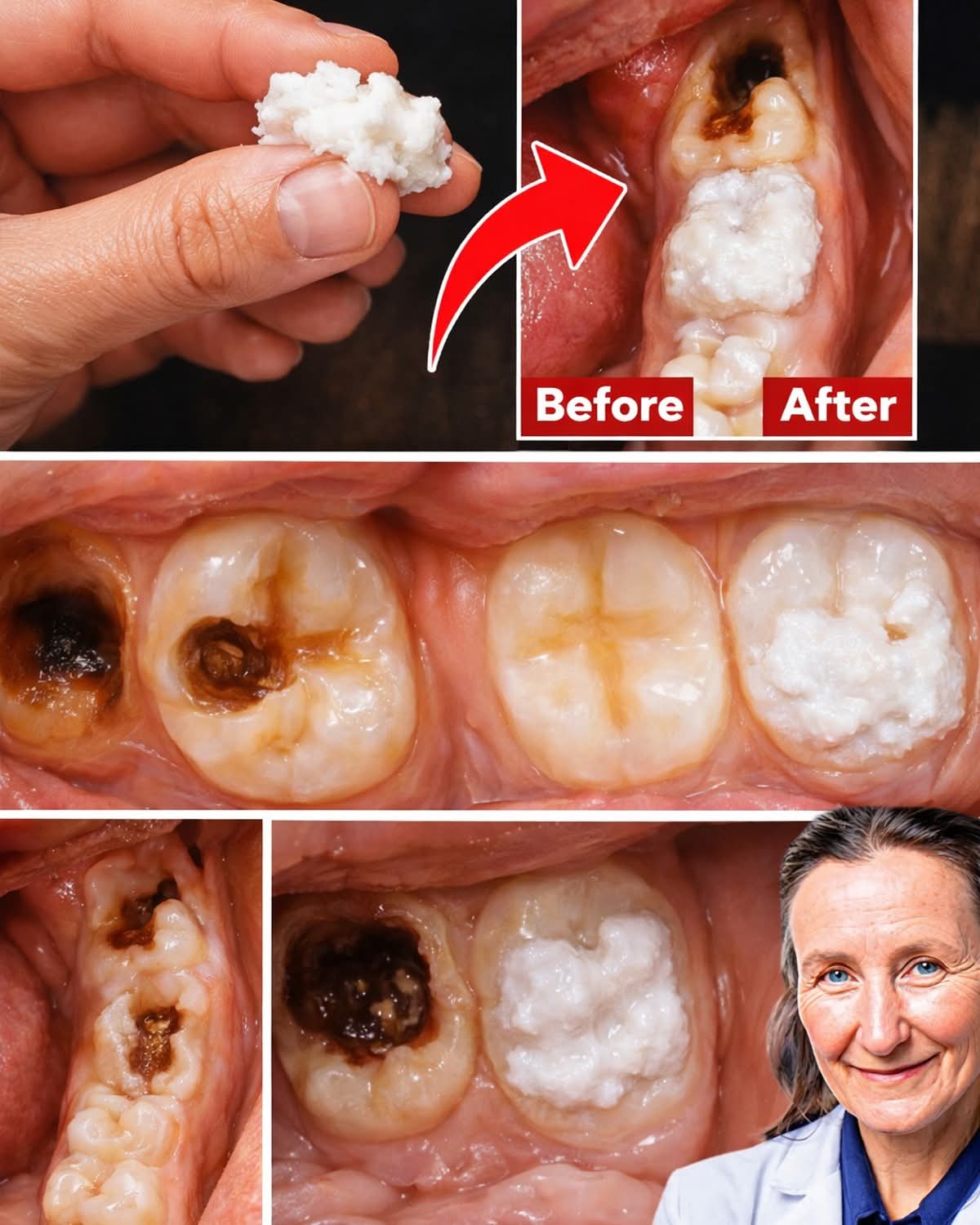
Let’s be honest—no one enjoys going to the dentist, especially when cavities are involved. While it’s important to be clear that advanced cavities cannot be permanently repaired without professional treatment, dentists agree that in the very early stages, tooth decay can sometimes be slowed, stopped, or even partially reversed by supporting enamel remineralization and improving daily habits.
If you catch a cavity early—before pain, deep holes, or infection—these natural strategies can help protect your teeth and may prevent the damage from getting worse.
One of the most important steps is improving your oral hygiene routine. Brushing twice daily with proper technique removes plaque, which is the main cause of cavities. Use a soft-bristled toothbrush and take your time, especially along the gum line and back teeth where decay often starts. Flossing daily is just as important, as cavities frequently form between teeth where brushes can’t reach.
Mineral-rich nutrition plays a huge role in tooth health. Teeth need calcium, phosphorus, magnesium, and vitamin D to stay strong. Dairy products, leafy greens, nuts, seeds, eggs, and fatty fish help provide the building blocks needed to strengthen enamel. Without these nutrients, teeth are more vulnerable to decay.
Reducing sugar and acidic foods is critical. Sugar feeds harmful bacteria in the mouth, which produce acids that erode enamel. Frequent snacking, sugary drinks, sodas, and fruit juices keep acid levels high for long periods. Even healthy foods like citrus should be consumed in moderation and followed by water rinsing.
Drinking plenty of water, especially after meals, helps wash away food particles and neutralize acids. Water also supports saliva production, which is the body’s natural defense against cavities. Saliva helps remineralize enamel and keeps harmful bacteria under control.

Some people find that oil pulling with coconut oil supports oral hygiene. Swishing for 10–15 minutes may help reduce bacteria levels in the mouth. While it doesn’t “cure” cavities, it can be a helpful addition to a good dental routine.
Using fluoride or remineralizing toothpaste can help strengthen enamel and slow early decay. There are also fluoride-free options with calcium and hydroxyapatite that support enamel repair.
Avoid brushing immediately after acidic foods or drinks. Enamel is softer at that time, and brushing can cause more damage. Wait at least 30 minutes.
Important Reality Check
Natural methods work best for very early-stage cavities (white spots or minor enamel damage). Once decay reaches dentin or causes pain, professional dental care is necessary. Ignoring advanced cavities can lead to infection, tooth loss, and serious health problems.

Final Thought
You may not be able to magically “repair” a cavity at home, but with the right habits, nutrition, and care, you can protect your teeth, slow early decay, and avoid unnecessary dental visits. Prevention, as dentists agree, is always easier—and cheaper—than treatment.

