Mysterious Round Marks on the Skin – What Do They Really Mean?
It often starts with a moment of confusion. You notice a round mark on your skin—maybe on your arm, back, or leg. It wasn’t there before. It doesn’t hurt much, but it looks unusual enough to make you pause. Naturally, questions rush in. Is it serious? Is it an infection? Should you be worried?
Round marks on the skin are surprisingly common, and while some are harmless, others can signal underlying health conditions that shouldn’t be ignored. Understanding what your skin is trying to tell you can make a real difference.
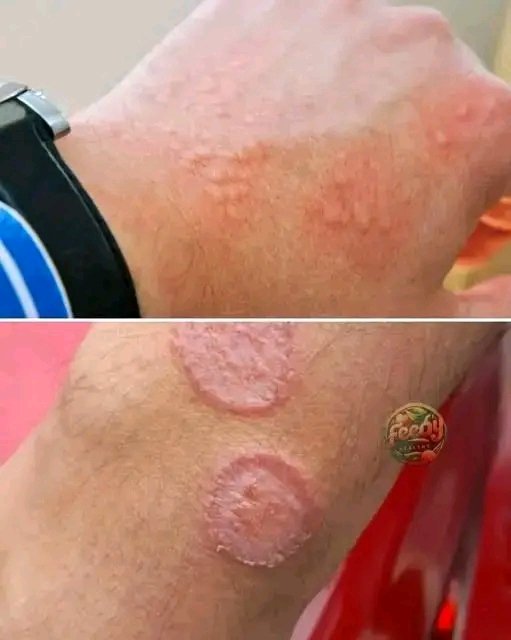
One of the most common causes is ringworm, despite its misleading name. It’s not caused by a worm but by a fungal infection. These marks are typically circular, red, slightly raised, and may have clearer skin in the center. They often itch and can spread if left untreated. The good news is that antifungal creams usually resolve it quickly when caught early.
Another possibility is eczema, particularly a type called nummular eczema. These patches are round or oval, dry, and sometimes scaly. They can appear suddenly and are often linked to dry skin, allergies, or environmental triggers. Stress and harsh soaps can make them worse, which is why proper skincare and medical advice are important.
In some cases, round marks may be related to allergic reactions or insect bites. Mosquitoes, ticks, or mites can leave circular marks that swell or redden over time. Tick bites are especially important to monitor, as a growing circular rash can sometimes be associated with Lyme disease and should be evaluated promptly by a healthcare professional.
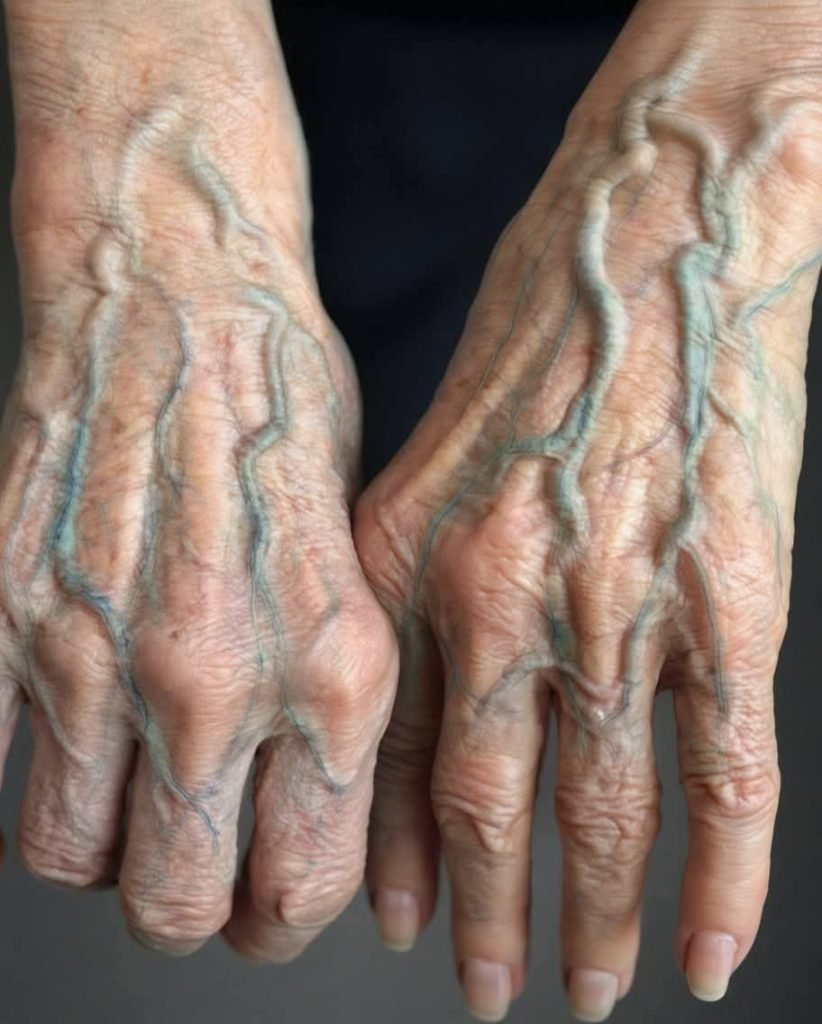
There are also vascular causes, such as bruising or broken capillaries, which can appear as round discolorations. These may result from minor trauma you don’t even remember, certain medications, or conditions affecting blood clotting. While often harmless, frequent unexplained bruising should never be ignored.
Less commonly, round skin marks can be linked to autoimmune or inflammatory conditions, such as psoriasis or lupus-related rashes. These are usually accompanied by other symptoms like fatigue, joint pain, or sensitivity to sunlight. In such cases, early diagnosis is key to effective management.
What makes these marks tricky is that they can look similar at first glance, even though their causes differ widely. That’s why dermatologists emphasize not relying solely on internet images or guesswork. A professional evaluation can quickly determine whether the mark is cosmetic, infectious, allergic, or something more complex.
If a round mark changes color, grows rapidly, becomes painful, starts oozing, or doesn’t improve after a couple of weeks, it’s a clear sign to seek medical advice. Your skin is one of the body’s most honest messengers—it reflects what’s happening both on the surface and beneath it.
In the end, mysterious skin marks aren’t something to panic over, but they are something to respect. Paying attention early can save discomfort, prevent complications, and sometimes even uncover health issues before they become serious.