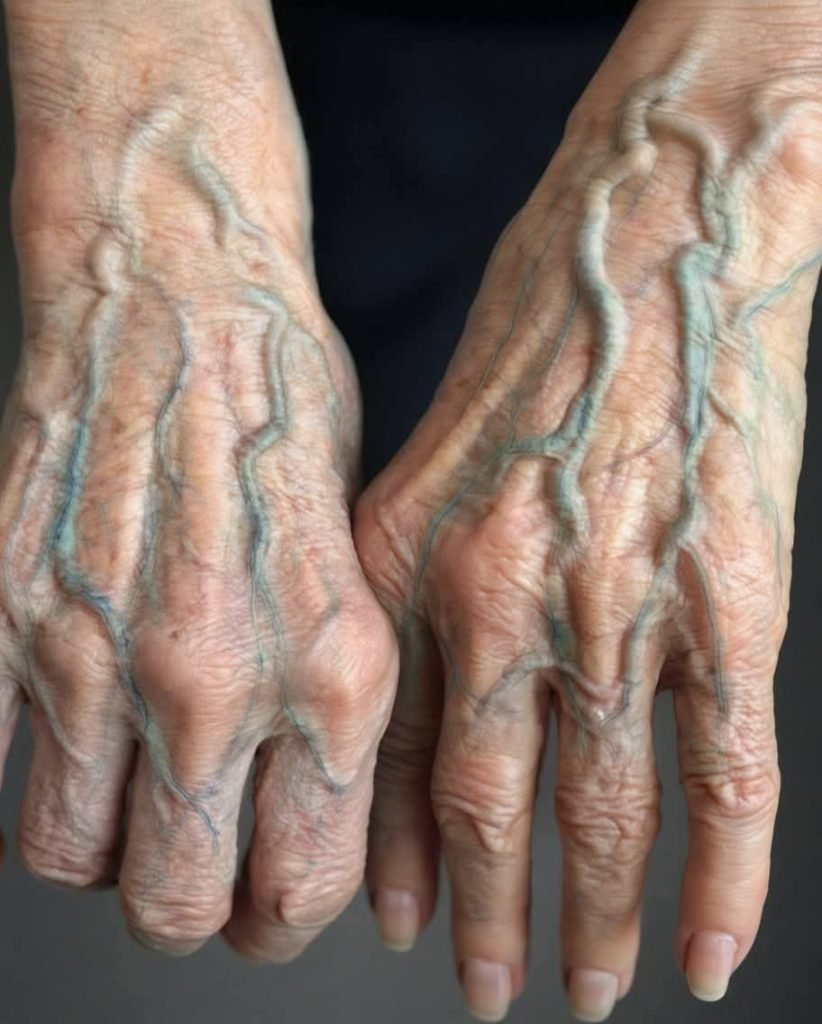
Signs on Your Feet That May Indicate Underlying Health Issues

Your feet do much more than carry you from place to place. Because they contain a dense network of nerves, blood vessels, skin, and bones, they can quietly reflect what’s happening inside your body. Many people overlook foot-related changes, assuming they’re caused by footwear or fatigue, but certain signs may point to broader health concerns worth paying attention to.
One common indicator is persistent cold feet. While cold weather or poor circulation from sitting too long can explain it, constantly cold feet may also be linked to circulation problems, anemia, or thyroid imbalance. When blood flow is reduced, extremities like the feet are often affected first. If this symptom appears frequently without an obvious cause, it may be worth discussing with a healthcare professional.
Swelling in the feet or ankles is another signal many people dismiss. Occasional swelling after standing all day is normal, but ongoing or sudden swelling can be associated with fluid retention, heart strain, kidney issues, or venous insufficiency. Swelling that worsens at night or leaves an indentation when pressed should not be ignored.
Changes in skin color can also be meaningful. Bluish or purplish feet may suggest reduced oxygen flow, while very pale feet could indicate poor circulation. On the other hand, redness combined with warmth may point to inflammation or infection. Even subtle color changes can be clues when they persist over time.

Dry, cracked heels are often blamed on dehydration or lack of moisturizing, but severe or recurring cracking can sometimes be associated with thyroid conditions or nutritional deficiencies. When skin loses elasticity and struggles to heal, it may be responding to internal imbalances rather than just external dryness.
Pay attention to numbness or tingling sensations in your feet. These feelings can result from nerve compression or temporary pressure, but frequent numbness may be linked to nerve health issues, including those related to blood sugar regulation. Nerves in the feet are particularly sensitive and often show early warning signs.
Toenail changes can also be informative. Thickened, brittle, or yellowing nails may suggest fungal issues, but they can also reflect circulation problems or nutritional concerns. Slow nail growth can sometimes be associated with reduced blood flow.
Lastly, persistent foot pain without injury deserves attention. While overuse is common, ongoing pain can signal joint inflammation, stress on connective tissue, or alignment issues that affect posture and mobility.
Your feet are not diagnostic tools, but they are messengers. Noticing changes early allows you to address potential concerns before they become bigger problems. If a symptom is persistent, worsening, or unusual for you, seeking professional medical advice is always the safest step. Listening to your body often starts at the ground level.