The Dangers of Waterproof Mascara: Eye Care Tips Everyone Should Know
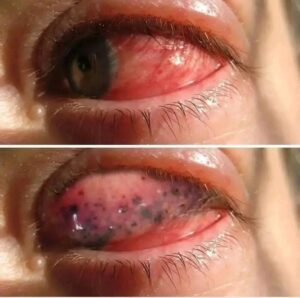
Waterproof mascara has become a makeup essential for many people. It promises long-lasting lashes that won’t smudge through sweat, tears, or humid weather. While it can be convenient, eye care specialists warn that frequent or improper use of waterproof mascara may come with hidden risks that are often overlooked.
One of the biggest concerns is how difficult waterproof mascara is to remove. Its strong, water-resistant formula requires rubbing, tugging, or using oil-based removers to come off. This repeated friction around the eyes can weaken delicate lashes, irritate the eyelids, and contribute to premature wrinkles over time. Dermatologists note that the skin around the eyes is thinner and more sensitive than anywhere else on the face, making it especially vulnerable to damage.
Another risk involves eye irritation and dryness. Waterproof mascaras often contain harsher chemicals to maintain their durability. These ingredients can block oil glands along the eyelid margin, which are essential for keeping the eyes properly lubricated. When these glands are disrupted, symptoms like dryness, burning, redness, or a gritty sensation may occur—especially for people who already suffer from dry eyes or allergies.
Eye doctors also warn about the potential for infection. Because waterproof mascara is harder to remove completely, residue can build up along the lash line. This buildup can trap bacteria, increasing the risk of eye infections such as conjunctivitis or blepharitis. Sleeping without fully removing eye makeup further increases this risk.
Contact lens wearers should be especially cautious. Small flakes from mascara can enter the eye, become trapped under lenses, and cause irritation or scratches on the cornea. Waterproof formulas are more likely to clump and flake as they age, making hygiene even more important.
That doesn’t mean waterproof mascara must be avoided entirely—but it should be used wisely. Eye care professionals recommend reserving waterproof mascara for special occasions, such as swimming or events where long wear is truly necessary. For everyday use, regular mascara is gentler on the eyes and easier to remove.
When removing waterproof mascara, always use a gentle, oil-based remover. Soak a cotton pad, press it softly against closed lashes for several seconds, and let the product dissolve before wiping—never scrub. Washing your face afterward helps remove leftover residue.
Replacing mascara every three months, avoiding sharing makeup, and stopping use immediately if irritation occurs are simple habits that protect eye health.
Your eyes work hard every day. Taking small steps to care for them—especially when it comes to makeup—can help prevent discomfort, infections, and long-term damage while keeping your lashes healthy and strong.