This Is the Plant People Credit for Supporting Eye Health — What Science Really Says About Vision, Cataracts, and Natural Care
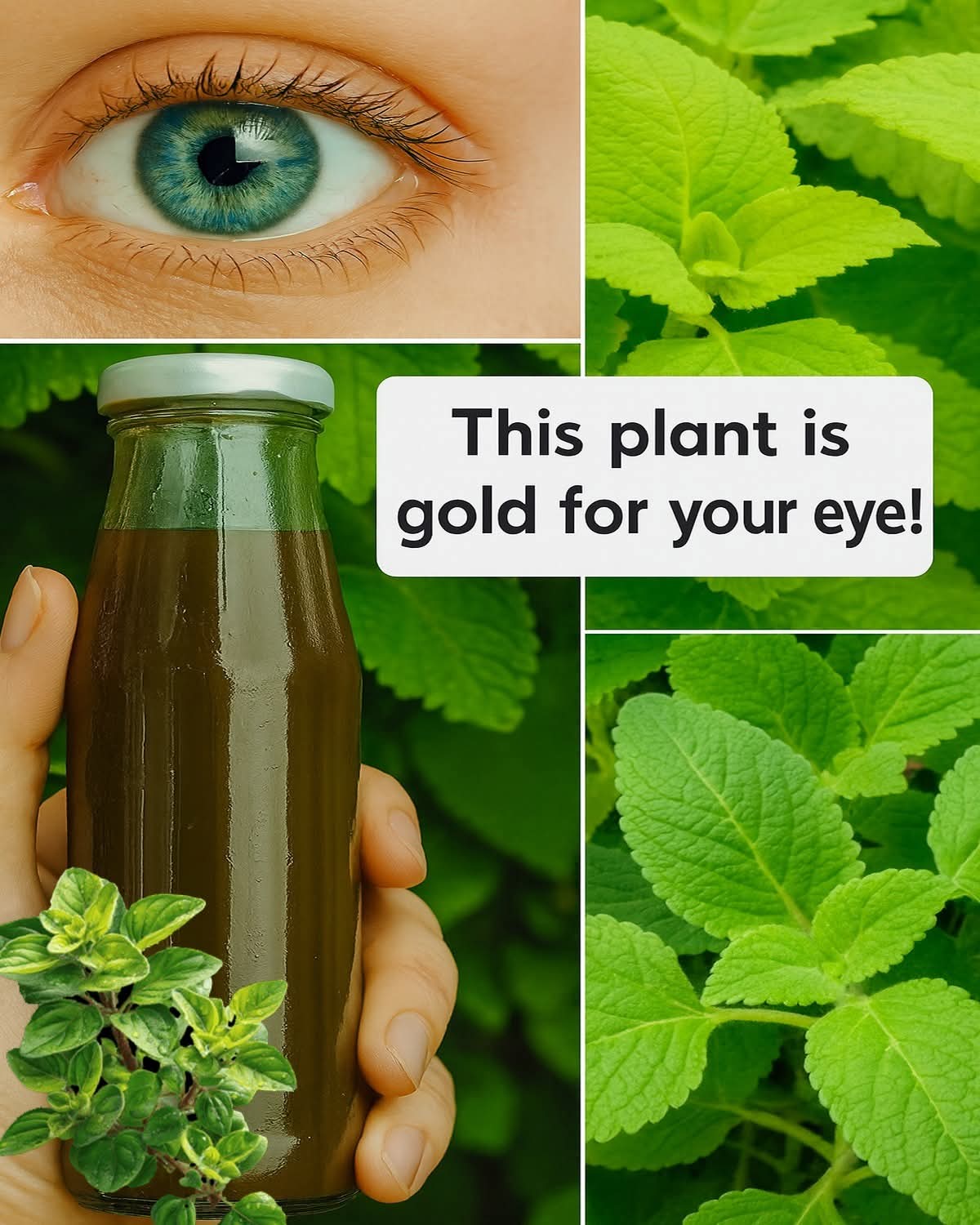
Across social media and traditional medicine circles, one particular plant is often praised for its powerful support of eye health. Some even claim it has helped people with poor vision and early-stage cataract symptoms feel improvement without frequent visits to the ophthalmologist. While these stories sound extraordinary, it’s very important to separate natural support from medical cure. No plant can medically reverse cataracts once they are formed, and surgery remains the only proven treatment. However, certain plants can support eye health, reduce oxidative stress, and slow vision decline when used correctly.
The plant most often linked to these claims is Moringa oleifera, sometimes called the “miracle tree.” Moringa leaves are rich in vitamin A, lutein, zeaxanthin, vitamin C, and powerful antioxidants — all nutrients known to protect the eyes from oxidative damage. Oxidative stress is one of the main contributors to cataract development and age-related vision loss.
How Moringa Supports Vision Naturally
Vitamin A helps maintain the health of the retina and improves low-light vision. Lutein and zeaxanthin act like natural sunglasses inside the eye, filtering harmful blue light and protecting the lens from damage. The antioxidants in moringa reduce inflammation and neutralize free radicals that slowly cloud the eye’s lens. This is why people who regularly consume moringa often report less eye strain, clearer vision, and slower progression of age-related eye problems.
How People Commonly Use This Plant
Moringa leaves are most often used as a tea, powder, or added fresh to food. A simple moringa tea made by steeping dried leaves in hot water for 5–10 minutes is a common daily practice. Others mix moringa powder into smoothies, soups, or warm water in the morning. When taken consistently, it supports not only the eyes but also blood sugar control, circulation, immunity, and general energy levels.

Why Some People Think It “Restores Vision”
In many cases, people suffering from eye fatigue, dryness, inflammation, or poor night vision may notice improvement once nutrient deficiencies are corrected. This can feel like “vision restoration,” especially if the problem was caused by poor nutrition rather than structural damage to the eye. However, true cataracts involve clouding of the lens itself and cannot be dissolved by any plant or home remedy.
Critical Medical Truth You Must Know
If a cataract is already formed and affecting vision, surgery is the only scientifically proven treatment. Natural remedies can support eye health and may help slow progression in early stages, but they cannot replace professional medical care. Delaying proper treatment can lead to permanent vision loss.
Final Message
Moringa is a powerful nutritional plant that genuinely supports eye health and may help protect your vision over time. But it is not a miracle cure for cataracts. The best results come from combining proper nutrition, regular eye checkups, and timely medical treatment when needed.


