What Are Eye Floaters? Here’s What To Do If You Start Seeing Them 👁️
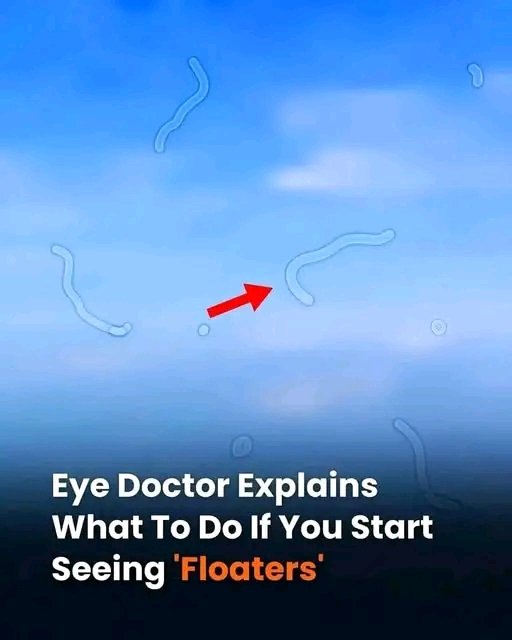
Have you ever noticed tiny dark spots, threads, or cobweb-like shapes drifting across your vision — especially when you look at a bright sky or a white wall? Those little shapes are called eye floaters, and while they’re usually harmless, sometimes they can signal something more serious about your eye health.
Let’s understand what they really are — and when you should take them seriously.

1. What Exactly Are Eye Floaters?
Eye floaters are tiny clumps of gel or cells inside the vitreous, the clear, jelly-like fluid that fills your eyeball. As light enters your eye, these clumps cast small shadows on your retina — and that’s what you see as floating shapes or spots that move when you move your eyes.
They’re most noticeable when looking at something plain and bright, like a blue sky or computer screen.
2. Why Do Floaters Happen?
Floaters are a normal part of aging. As you grow older, the vitreous in your eye becomes thinner and starts to shrink, forming small fibers or clumps. This process is called vitreous detachment and usually happens after age 40.
However, other factors can also cause floaters, such as:

- Nearsightedness (myopia)
- Eye injuries or trauma
- Eye inflammation (uveitis)
- Diabetes (which can damage blood vessels in the eye)
- After certain eye surgeries
3. When Should You Worry? 🚨
While most floaters are harmless, a sudden increase in the number of floaters or flashes of light could be a sign of a retinal tear or detachment, a medical emergency that can lead to vision loss if untreated.
See an eye doctor immediately if you notice:
- A sudden shower of new floaters
- Flashes of light
- Shadow or curtain-like vision loss
- Eye pain or pressure
4. How to Manage or Prevent Floaters
Most floaters fade or become less noticeable over time. But here are some tips to keep your eyes healthy:
- Eat foods rich in vitamin C, E, zinc, and omega-3s (like carrots, spinach, and fish).
- Stay hydrated to support eye tissue health.
- Wear sunglasses to protect against UV damage.
- Avoid excessive screen time to reduce eye strain.
- Get regular eye checkups — especially if you’re over 40.
Bottom Line:
Eye floaters are a common and natural part of aging, but paying attention to sudden changes can protect your vision. If they appear suddenly or come with light flashes or blurred vision, don’t ignore them — your eyes might be asking for help. 👁️💡