What Are the Risks and Possible Side Effects of a Cold Plunge?
Cold plunges are everywhere these days — from fitness influencers jumping into ice baths to athletes swearing by the shock of freezing water for recovery. And while the benefits often get all the attention, the risks and side effects of cold plunging are just as important to understand. Your body goes through a dramatic shift the moment you step into icy water, and if you’re not prepared, that sudden shock can do more harm than good.
One of the biggest risks is something called cold shock response, the body’s natural reaction when it suddenly hits freezing temperatures. Your heart rate spikes, breathing gets faster, and blood pressure shoots up. For people with heart conditions, high blood pressure, or underlying health issues, this sudden stress can be dangerous and, in rare cases, even trigger a heart attack. That’s why experts say you should never jump straight into very cold water — easing in slowly matters.
Another common issue is hypothermia, which happens when the body’s core temperature drops too low. Even a few minutes in icy water can start the process if you’re not used to it. Symptoms like numbness, confusion, shivering, or difficulty speaking can appear quickly, especially in people who stay submerged too long or push themselves harder than they should. Cold plunges may look impressive online, but doing them without supervision or without understanding your limits can put you at serious risk.
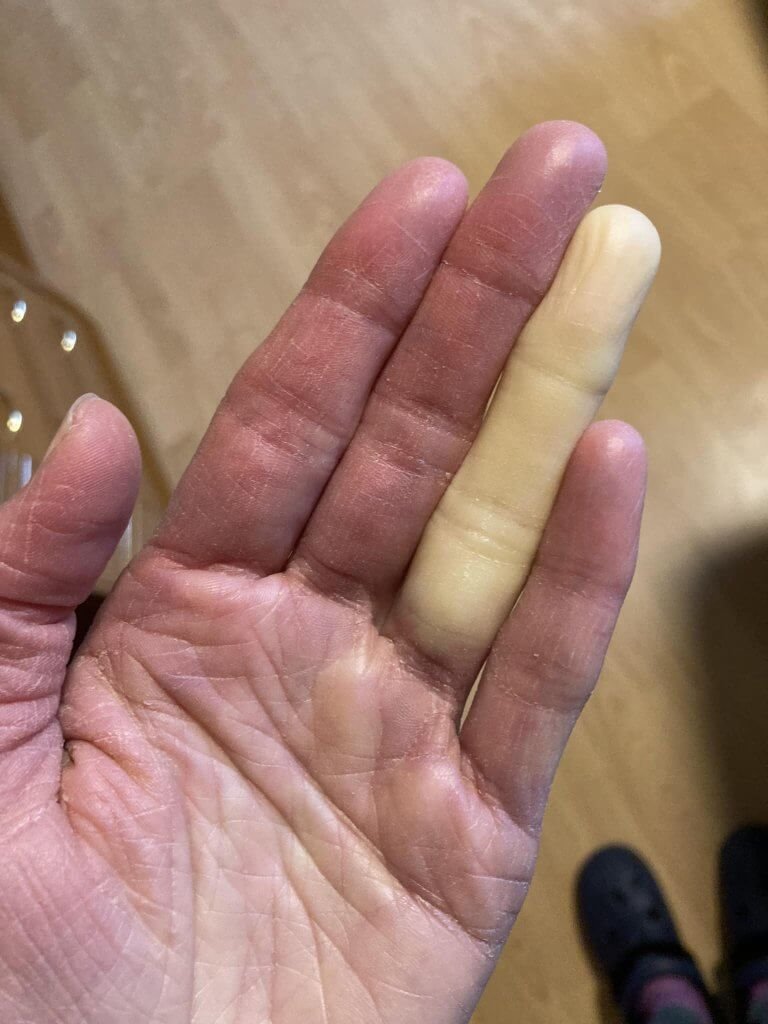
There’s also the danger of nerve and skin damage if your body stays in extreme temperatures too long. Frostbite isn’t common in short plunges, but very cold ice baths can irritate or inflame skin and nerves, leading to tingling, burning, or lasting sensitivity. People with circulation problems, diabetes, or nerve disorders should approach cold exposure carefully, as their bodies may react more severely.

Cold plunges can also put strain on the respiratory system. The sudden cold can cause gasping, hyperventilation, or difficulty controlling your breath. For people with asthma or respiratory issues, this reaction can trigger attacks or make breathing difficult. It’s one of the reasons experts suggest always having someone nearby when you’re trying a cold plunge for the first time.
And then there’s the mental side. The intense shock can cause panic, dizziness, or even disorientation — which is especially dangerous if you’re plunging outdoors, in a lake, river, or unsupervised environment. Many cold-plunge accidents come not from the cold itself, but from slipping, losing balance, or not being able to get out fast enough because the body freezes up.
Cold exposure isn’t all bad — many people find it energizing, calming, and good for recovery. But like anything powerful, it has risks that should be respected. To stay safe, beginners should start with shorter sessions, slightly cool (not icy) temperatures, and always consult a doctor if they have heart or health issues. The idea is to build tolerance gradually, listen to your body, and avoid pushing past the point where the plunge stops being refreshing and starts being risky.