What Red Spots in Eggs Really Mean and Whether They Are Safe to Eat
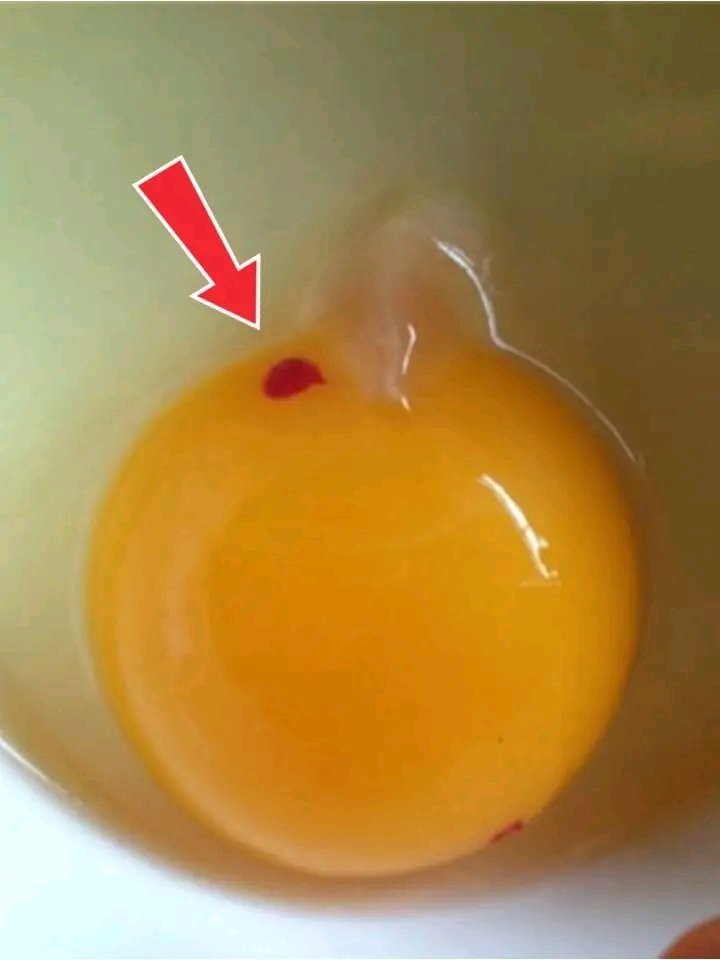
Cracking open an egg and finding a small red or brown spot inside can be unsettling. Many people immediately wonder if the egg is spoiled or unsafe. According to food safety experts, these spots are usually harmless and do not mean the egg has gone bad.
The most common red or brown spot found in eggs is called a blood spot. This happens when a tiny blood vessel in the hen’s ovary or oviduct breaks during the egg-laying process. It is a natural occurrence and is more common in eggs from younger hens. Blood spots do not mean the egg is fertilized, nor do they indicate disease.
Sometimes, what looks like a red spot may actually be a meat spot, which is darker and more brown in color. Meat spots are small bits of tissue that can be released during egg formation. Like blood spots, they are harmless.
From a safety standpoint, eggs with red or brown spots are safe to eat as long as the egg is fresh and properly cooked. Commercial egg processing usually detects and removes eggs with visible spots, but some still make it to the carton—especially in eggs from small farms or free-range hens.

If the appearance bothers you, you can simply remove the spot with the tip of a knife or spoon before cooking. This does not affect the nutritional value or taste of the egg.
However, it’s important to distinguish harmless spots from signs of spoilage. An egg should not be eaten if: • It smells sulfur-like or rotten
• The white is unusually slimy or discolored
• The yolk breaks and spreads excessively in a fresh egg
To stay safe, always store eggs in the refrigerator and cook them thoroughly, especially for children, pregnant women, and older adults.

The Bottom Line
Red or brown spots in eggs are a natural result of how eggs are formed. They are not dangerous, do not affect nutrition, and do not mean the egg is bad. As long as the egg smells normal and is cooked properly, it is safe to eat with confidence.

