It may seem like a small habit, but wearing socks at home can make a surprising difference for older adults. What many people dismiss as a comfort choice is actually linked to circulation, balance, sleep quality, and even long-term health.
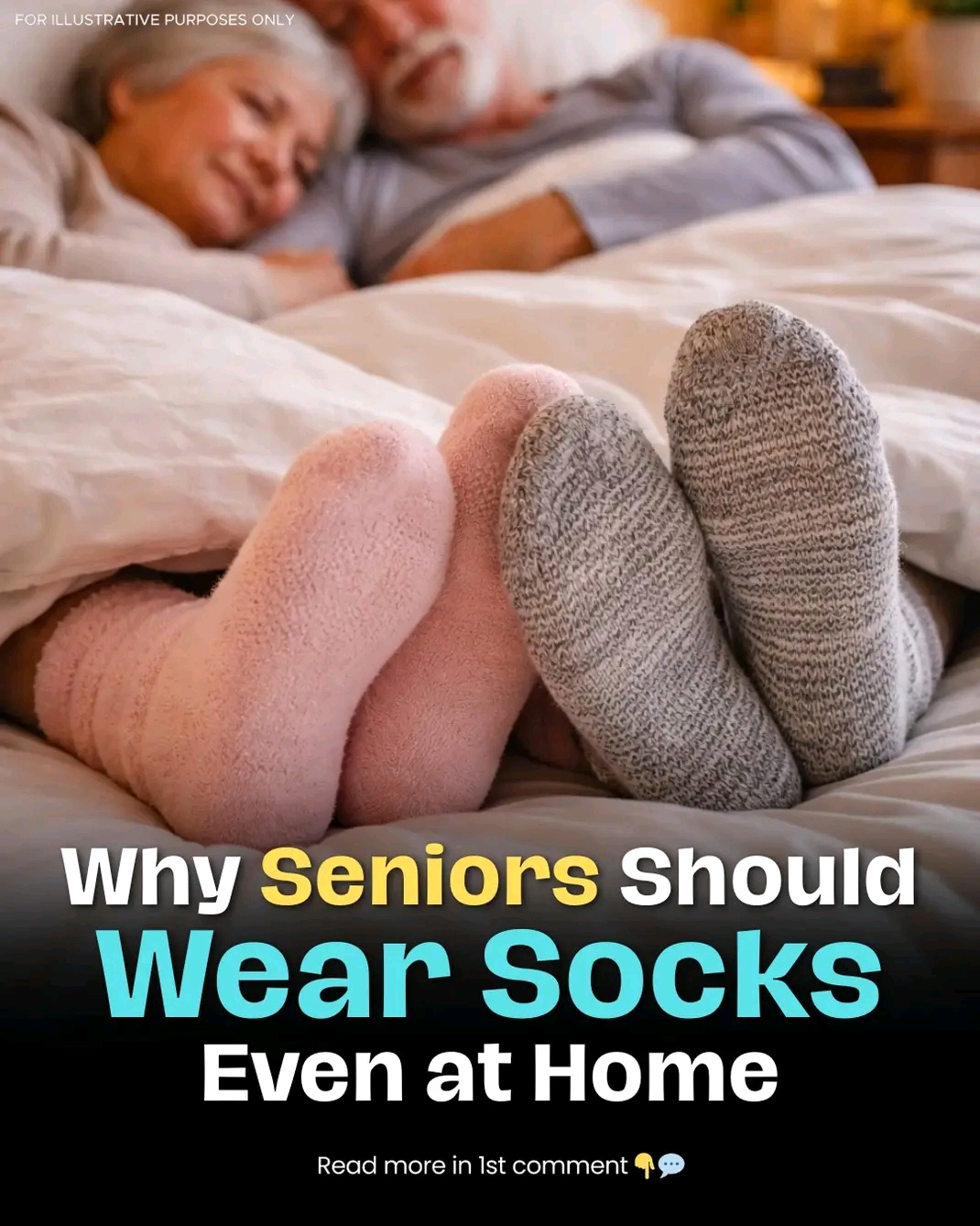
As we age, blood circulation naturally slows down, especially to the feet. Cold feet aren’t just uncomfortable—they can increase stiffness, numbness, and even pain. Wearing socks helps retain warmth, allowing blood to flow more efficiently and reducing the risk of cramps or discomfort during the day and night.

Another important reason is fall prevention. Bare feet or slippery floors can be dangerous, especially for seniors. Non-slip socks provide better grip on tile or wooden floors, lowering the risk of falls that could lead to serious injuries. For older adults living alone, this small precaution can be life-changing.
Socks also support better sleep. Studies suggest that keeping feet warm helps the body regulate temperature more efficiently, signaling the brain that it’s time to rest. Older adults who wear socks to bed often fall asleep faster and wake up less during the night.
Foot health is another key factor. Aging skin becomes thinner and more prone to dryness or cracking. Socks help protect feet from minor injuries, reduce moisture loss, and prevent infections—especially important for people with diabetes or sensitive skin.
Beyond physical benefits, socks offer emotional comfort. Feeling warm and secure can reduce stress and anxiety, creating a sense of relaxation and safety at home.
The takeaway: Wearing socks isn’t just about comfort—it’s a simple habit that supports circulation, safety, sleep, and overall well-being for older adults. Sometimes, the smallest changes make the biggest difference.