Why You Shouldn’t Kill Wood Sorrel in Your Garden: 8 Compelling Reasons
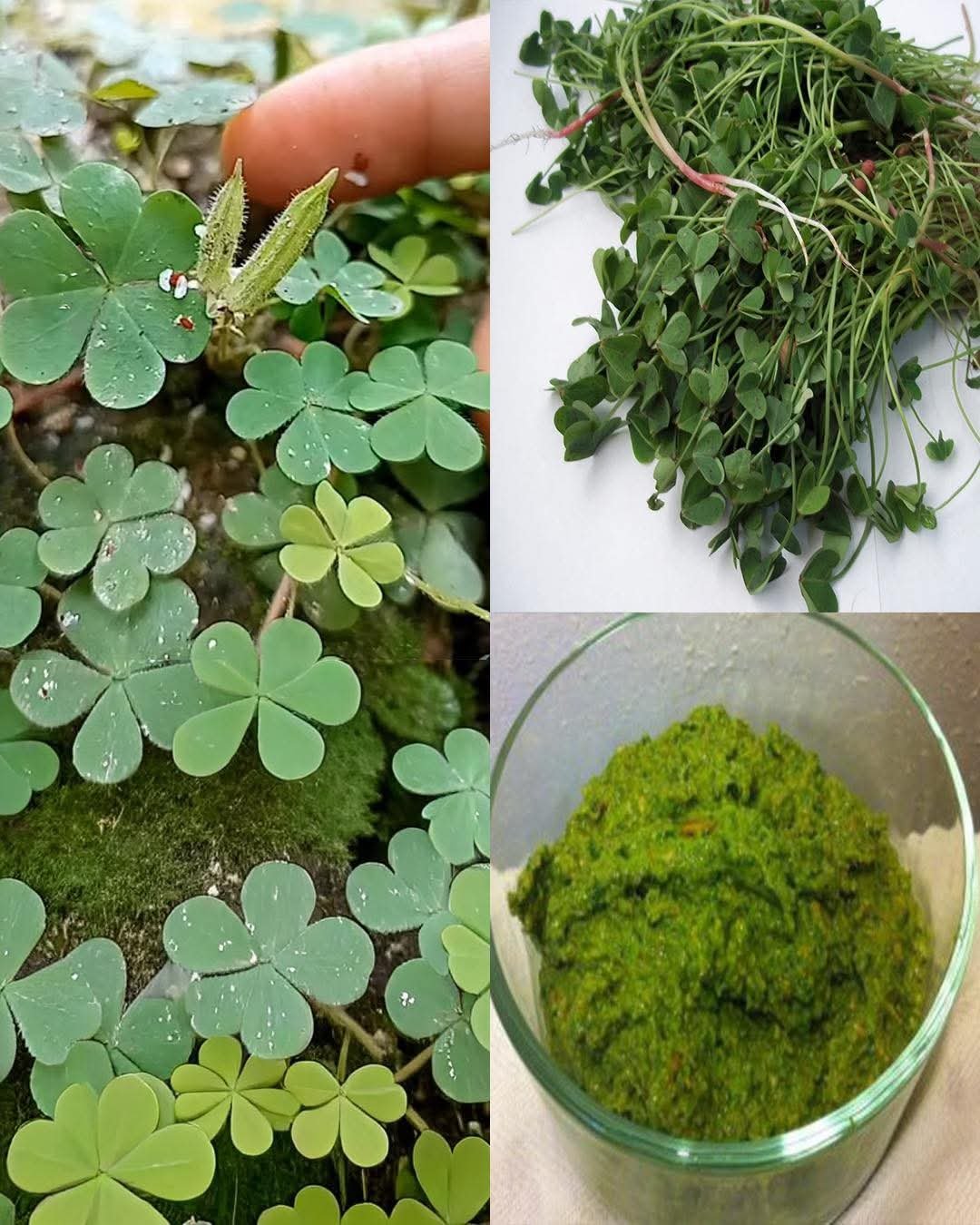
Wood sorrel is one of those plants many gardeners rush to remove, assuming it’s just another stubborn weed. With its heart-shaped leaves and small yellow or pink flowers, it spreads easily and pops up where it’s least expected. But before you pull it out or spray it away, you should know this: wood sorrel (Oxalis) is far more valuable than most people realize. In fact, keeping it in your garden can offer surprising benefits for your soil, plants, and even your health.
First, wood sorrel is a natural soil indicator. Its presence often signals compacted or slightly acidic soil. Instead of fighting it blindly, you can use it as a clue to improve soil conditions and overall garden health.
Second, it acts as a living ground cover. Wood sorrel helps protect soil from erosion, reduces moisture loss, and limits the growth of more aggressive weeds by occupying empty space naturally.
Third, wood sorrel improves soil structure over time. Its delicate root system gently loosens the topsoil, improving aeration and water penetration without disturbing beneficial microorganisms.
Fourth, it’s edible and nutritious. In small amounts, wood sorrel leaves have a fresh, lemony flavor due to their natural oxalic acid content. Traditionally, they’ve been used in salads, soups, and teas. They contain vitamin C and antioxidants, making them a useful wild green when consumed responsibly.
Fifth, wood sorrel has a long history in traditional herbal practices. It has been used to support digestion, cool the body in hot weather, and provide mild refreshment. While it’s not a medicine, its gentle properties have earned it a place in folk remedies across cultures.

Sixth, it’s beneficial for pollinators. The small flowers attract bees and other insects, especially during periods when few other plants are blooming. Supporting pollinators helps your entire garden thrive.
Seventh, wood sorrel is a low-competition plant. Unlike invasive weeds that choke crops, it generally coexists without stealing excessive nutrients from nearby plants. Many gardeners notice their vegetables grow just fine alongside it.
Eighth, it encourages a more natural, balanced garden ecosystem. Gardens don’t need to be sterile to be productive. Allowing certain beneficial plants to exist promotes biodiversity, resilience, and long-term soil health.
That said, moderation matters. Wood sorrel spreads quickly, so it’s best managed rather than ignored completely. Regular trimming keeps it under control while allowing you to enjoy its benefits.

Final Thought
Not every “weed” is an enemy. Wood sorrel is a quiet helper that protects soil, supports pollinators, and even offers nutritional value. Instead of killing it automatically, consider working with it. Sometimes, the healthiest gardens are the ones that embrace nature’s helpers rather than fighting them.

