There are many viral claims online that suggest a woman’s physical features reveal hidden truths about her personality, emotions, or relationship behavior.
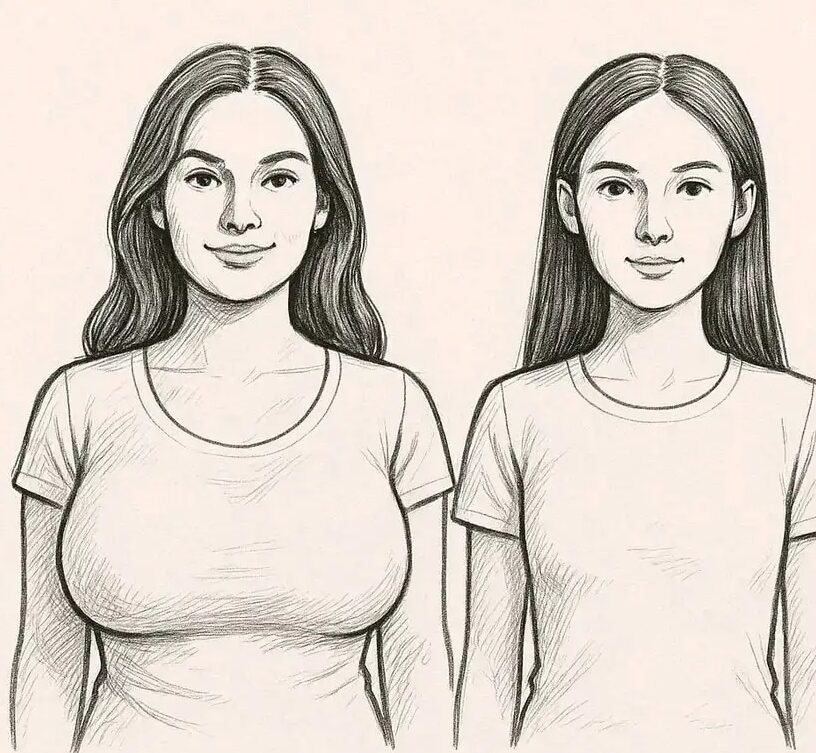
One of the most common focuses on breast size. While these claims often attract attention, they are not supported by science and can quietly reinforce harmful stereotypes. Understanding the facts helps create healthier conversations and content that respects people rather than reducing them to appearances.
Breast size is primarily influenced by genetics, hormones, age, weight changes, pregnancy, and overall body composition. Medical research does not connect breast size with intelligence, emotional strength, loyalty, confidence, or relationship preferences. Two women with similar body types can have completely different personalities, values, and life experiences. Likewise, people with very different physical features may share the same emotional depth and relationship goals.
The idea that body features “mean something” about character comes largely from cultural messaging. Advertising, entertainment media, and social platforms often exaggerate physical traits to tell simple stories that are easy to consume. Over time, repeated exposure can make these ideas feel true, even when there is no evidence behind them. This is how myths spread faster than facts.
Psychologists emphasize that emotional connection and relationship satisfaction are shaped by communication, trust, personal boundaries, shared values, and life experiences. These factors develop over time and are influenced by upbringing, emotional intelligence, and mutual effort. Physical traits play no role in determining how caring, expressive, or committed someone can be in a relationship.
From a health perspective, focusing too much on body comparisons can negatively affect self-esteem and mental well-being. Studies show that constant exposure to appearance-based judgments increases anxiety and body dissatisfaction, especially among young people. Promoting accurate, respectful information helps counter these effects and supports healthier self-image.
It’s also important to recognize that human bodies naturally vary. There is no single “ideal” size or shape that defines beauty or worth. Diversity is normal, and attraction is highly subjective. What one person finds appealing may not matter to another, and long-term connection depends far more on emotional compatibility than physical appearance.
Respectful conversations about relationships and health focus on behaviors, communication, and mutual support rather than assumptions based on looks. When people move away from stereotypes and toward understanding, relationships become stronger and more balanced.
In short, physical features do not predict personality, emotional capacity, or relationship quality. Real connection is built through empathy, honesty, and respect. Content that reflects these truths is not only more accurate, but also safer, more inclusive, and more valuable for readers seeking meaningful information rather than misleading claims.

